Montessori Principles: Scientific study of how children learn.

The solutions Americans have devised to fix problems in school systems repeatedly fail because they do not model the child and fit poorly with how humans learn. The educational institutions should instead draw on scientific study of how children learn. Dr. Maria Montessori took just such an approach in the early 20th century, and her important insights are reflected in their similarity to educational principles generated by modern psychological research.
Dr. Lillard’s book, Montessori the Science Behind the Genius, discusses eight of Dr. Montessori’s major insights on how people learn and develop most optimally. These insights are well supported by modern psychological research and have clear implications for more optimal ways of educating children (p. 37). See below for those principals and for links to further reading on continuing Montessori education as you weigh your school choices for the next school year.
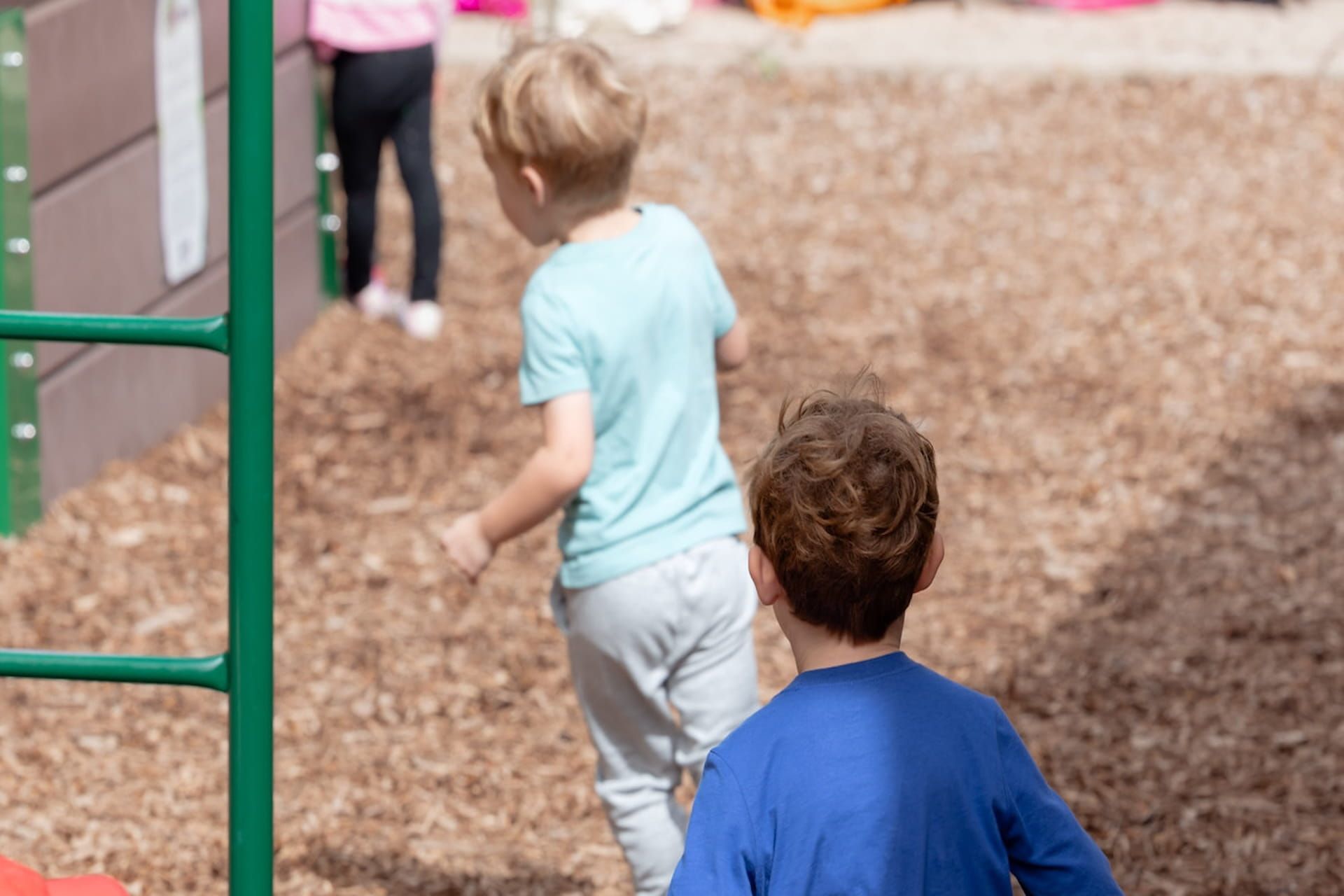
- Movement and cognition are closely entwined, and movement can enhance thinking and learning;
- Learning and well-being are improved when people have a sense of control over their lives;
- People learn better when they are interested in what they are learning;
- Tying extrinsic rewards to an activity, like money for reading or high grades for tests, negatively impacts motivation to engage in that activity when the reward is withdrawn;
- Collaborative arrangements can be very conducive to learning;
- Learning situated in meaningful contexts is often deeper and richer than learning in abstract contexts;
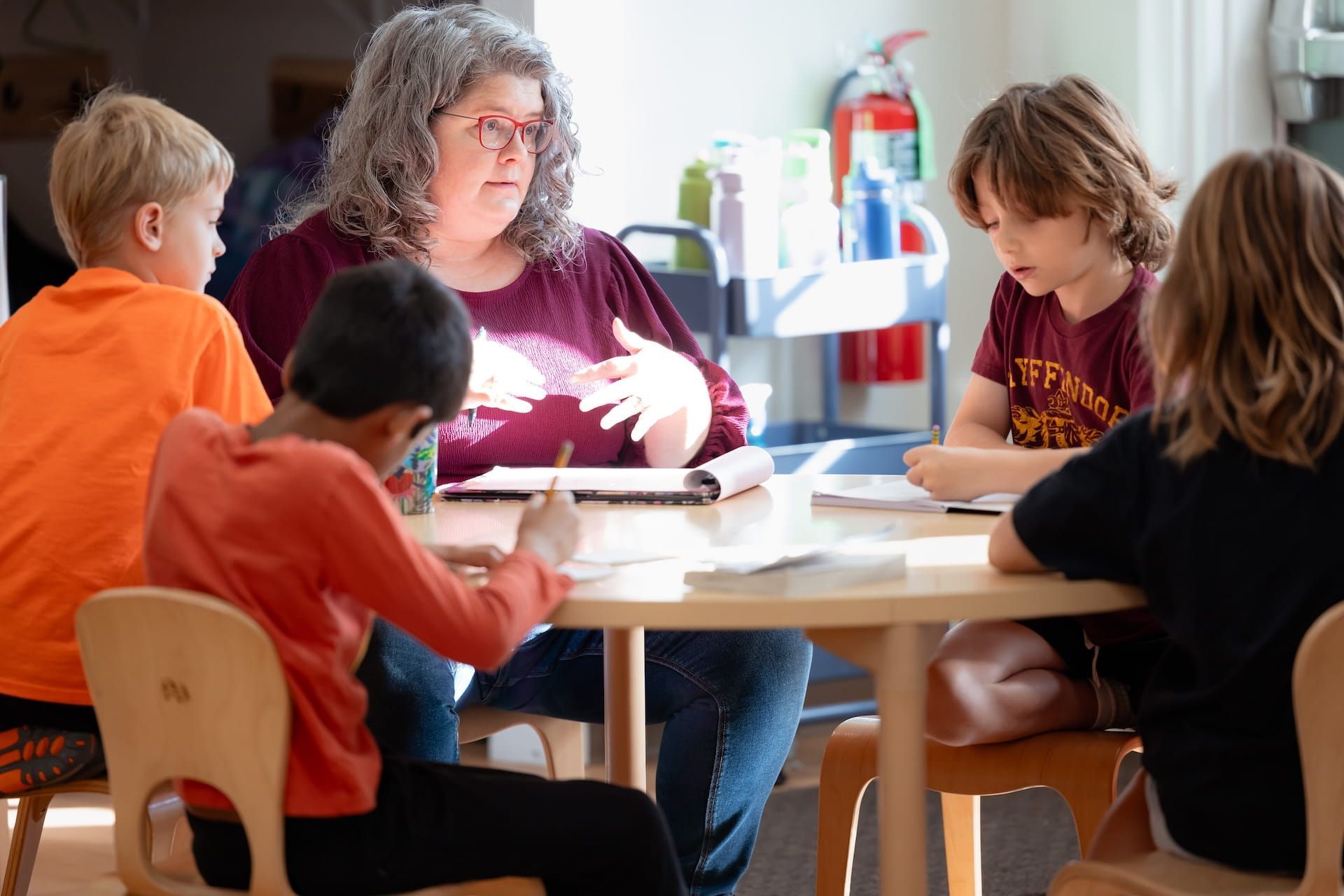
- Particular forms of adult interaction are associated with more optimal child outcomes; and
- Order in the environment is beneficial to children.
Lillard, A. (2005). Montessori The Science Behind The Genius. New York, NY: Oxford Press.
- "Why Montessori for the Elementary Years," Sanford Jones
- “Montessori or Traditional Kindergarten: A Parent’s Guide for the Five-Year-Old,” Aline D. Wolf
- “Why Montessori for the Kindergarten Year?” Tim Seldin and Dr. Betsy Coe
- “Montessori Adolescent Programs: The Erdkinder,” NAMC website
- "Benefits of Montessori Education,” American Montessori Society website
- "Why Montessori?” Montessori School of Louisville website