Freedom Within Limits: The Montessori Balance of Choice and Boundaries
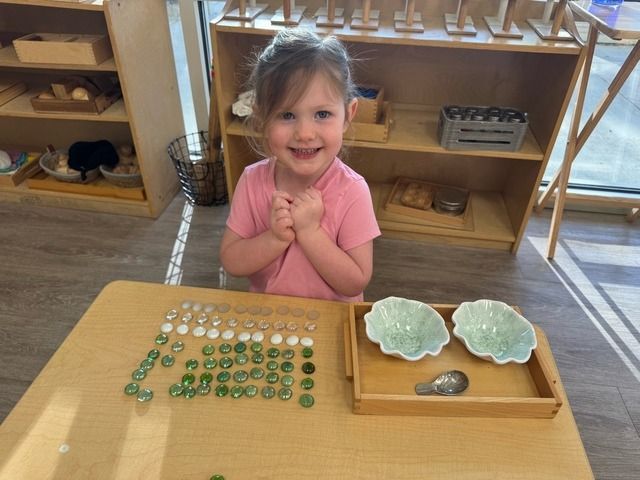
One of the most common misunderstandings about Montessori education involves the concept of freedom in the classroom. When prospective families first hear that children choose their own work, they sometimes picture a chaotic environment without structure. However, once parents step inside our classrooms at Montessori School of Louisville and observe the peaceful concentration of our students, these misconceptions quickly dissolve.
It is important to note that "Montessori" is not a trademarked term. Any program can use the name, which is why authentic credentials matter deeply. As the only school in Kentucky dual-accredited by both the American Montessori Society (AMS) and Cognia, MSL holds itself to the highest national standards of fidelity, research-backed pedagogy, and educational excellence.
Authentic Montessori philosophy relies heavily on freedom of choice, but always within thoughtfully established, developmentally appropriate limits. Achieving this delicate balance is what gives children a deep sense of personal dignity, intrinsic motivation, and self-directed confidence.
Here is how this balance comes to life in our environments from Toddler through Middle School, along with practical ways you can cultivate the same harmony at home.
The Physical Environment: Freedom of Movement with Clear Boundaries
At MSL, Guides prepare classroom environments with great intentionality. We want students to move freely and follow their natural physical drives, but we also ensure that movement remains safe and respectful of others' concentration.
- In the Classroom: Rather than wide, open indoor spaces that invite running, our wooden shelves are strategically placed to create natural, peaceful pathways. We provide appropriate indoor movement opportunities and explicitly guide children on how to use them without disrupting their peers.
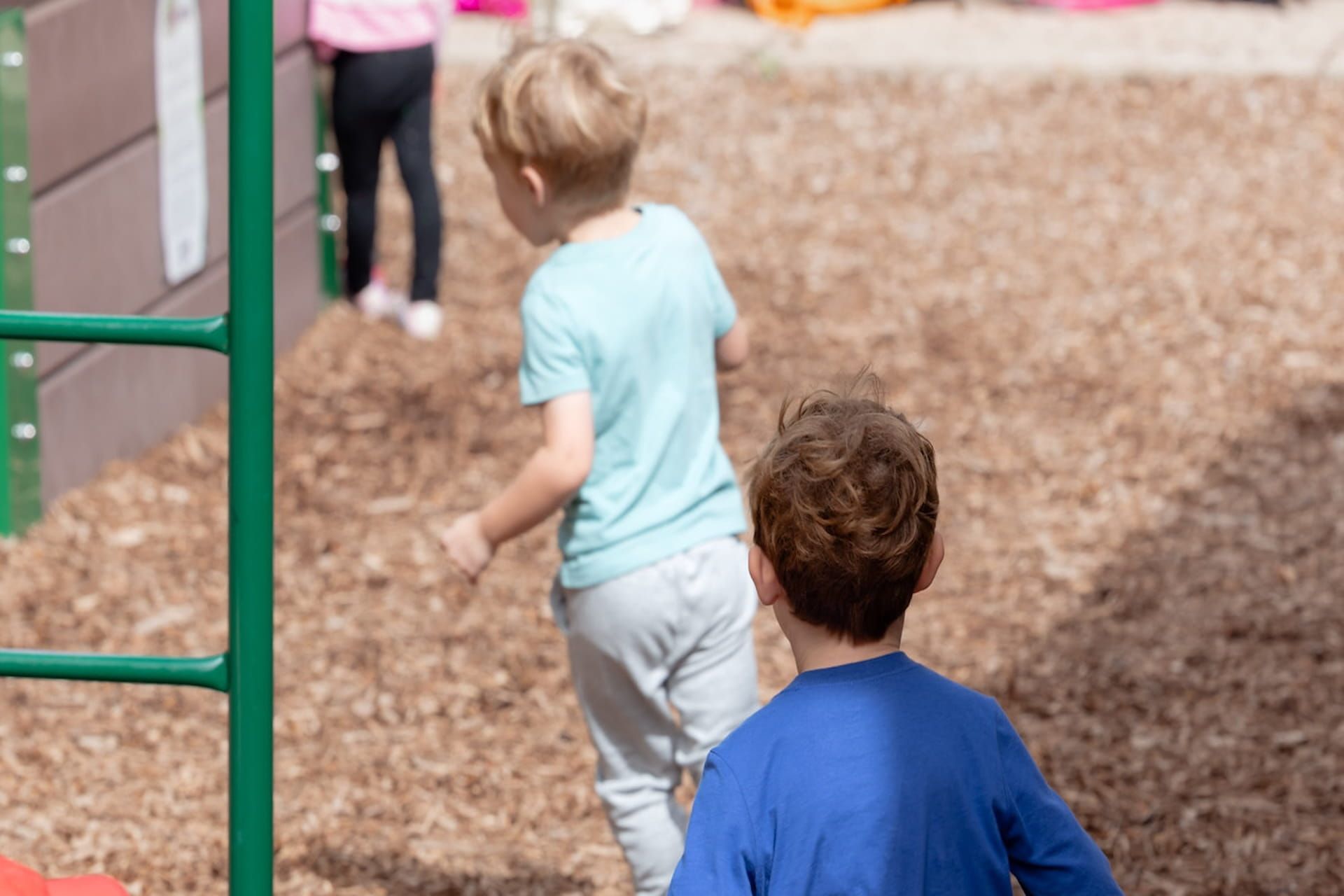
- In Nature: Dr. Maria Montessori placed immense value on outdoor learning. Our outdoor spaces adapt to developmental readiness. A four-year-old Early Childhood student explores within a beautifully fenced garden and grassy play area, while an Upper Elementary or Middle School student might venture into adjacent natural spaces under adult supervision to collaborate on long-term projects and exploration.
Choosing Work: Supporting Autonomy Across Development
Just like adults, children do not thrive when they are micromanaged. Granting age-appropriate autonomy communicates that we trust their capabilities.
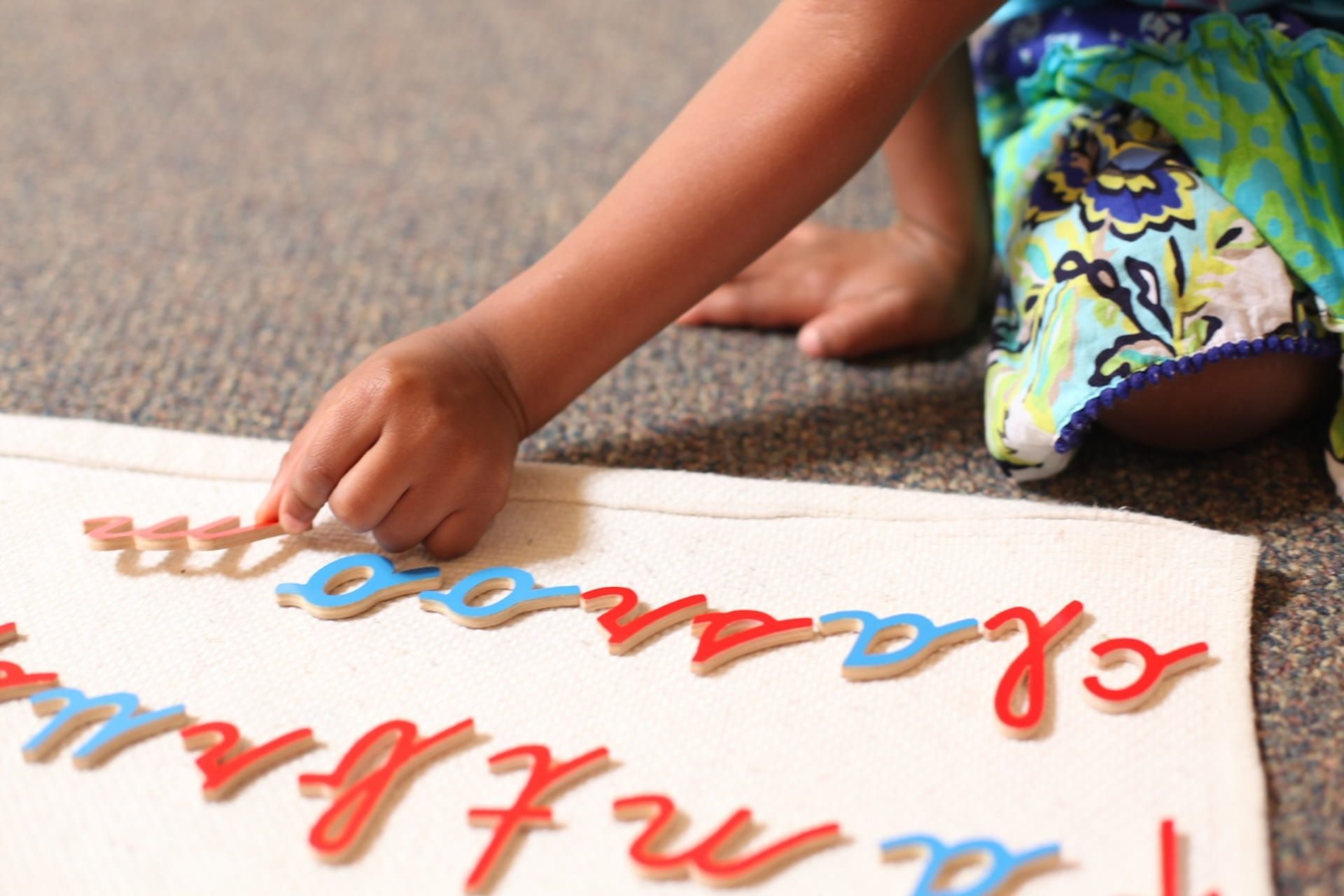
- Toddler & Early Childhood, Ages 1.5–6: Children receive individualized presentations on how to use self-correcting materials. During the uninterrupted work cycle, they freely choose which presented activities to practice and repeat. This allows them to follow their inner developmental drives without being tethered to a rigid, one-size-fits-all curriculum.
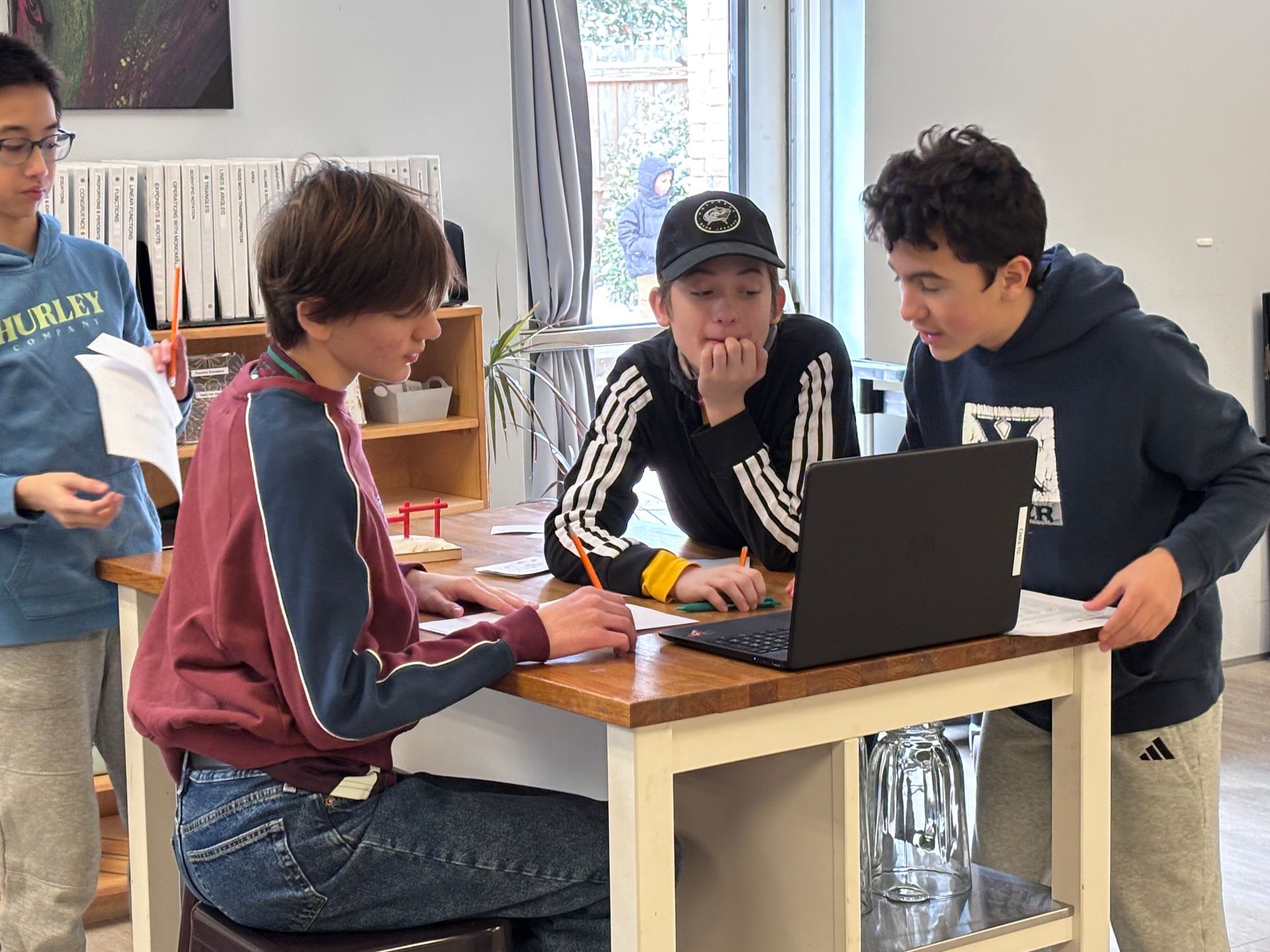
- Elementary & Middle School, Ages 6–15: As social and academic expectations expand, children receive small-group lessons in core disciplines. They maintain the freedom to manage their daily work schedules, choose research topics of personal interest, and dive deeply into complex studies. Guides observe closely to ensure balanced growth across all subject areas, stepping in to mentor students whenever an academic domain is being avoided.
Honoring Personal Needs and Self-Regulation
We believe children should not have to ask for permission to meet their own basic bodily needs. Listening to internal cues is essential for long-term health and emotional regulation.
From the Early Childhood years onward, children independently recognize when they need to use the restroom, get a glass of water, or enjoy a light snack. A dedicated snack table allows two or three children to eat at a time, pour their own drink, and clean up their workspace when finished. This gentle responsibility builds executive functioning and self-reliance naturally.
Bringing "Freedom Within Limits" Home: Win-Win Options
Parents can easily utilize this Montessori strategy at home to reduce power struggles while honoring their child’s growing need for independence. When offering choices, offer two options where either outcome is acceptable to you:
- "Would you like to get dressed first, or brush your teeth first?"
- "I need help with our family chores. Would you prefer to wipe the dinner table or help sort the laundry?"
- "It’s almost bedtime. Once you have your pajamas on, any time we have left before 8:00 PM will be for reading together."
- "We need to pack some protein for lunch tomorrow. Would you like sliced turkey or hummus?"
Parenting Tip: Limit choices to two simple options, especially for younger children or in moments of tiredness. Too many choices can trigger decision fatigue and overwhelm.
Respectful Guidance and Ongoing Dialogue
As children grow into the Elementary and Middle School years, increasing freedom requires transparent communication. When a Guide notices a student avoiding a particular subject, such as math or writing, we do not issue immediate reprimands.
Instead, we hold a private, respectful check-in conference. Often, avoidance stems from a skill being either too challenging or not challenging enough. By listening to the child's perspective, we partner together to introduce new time-management strategies, offer a refresher lesson, or adjust the challenge level.
Partnering with Families
When freedom and limits exist in harmony, children develop self-discipline, resilience, and a genuine joy in their work.
Do you have questions about implementing freedom within limits in your own home routines? We always love connecting with our family community. We’d love to invite you
in for a tour.