The Montessori Dictionary: Understanding the Language of Your Child’s World
As parents, stepping into a Montessori classroom or reading about child development can sometimes feel like encountering a whole new vocabulary. Terms like grace and courtesy or prepared environment are used frequently, but what do they truly mean for your child’s daily experience, both at school and at home?
At Montessori School of Louisville, we believe that education is most effective when families and educators work in close partnership. Demystifying these foundational concepts is one of the ways we invite you into your child’s educational journey. When we share a common language, we can better collaborate to nurture your child’s natural curiosity, independence, and love for learning.
Below, we explore a few key Montessori terms that apply across all stages of development, from the toddler years through middle school.
Grace and Courtesy
In a Montessori community, academic learning is thoughtfully balanced with social and emotional growth. Grace and courtesy forms the foundation of practical life and daily interactions in our classrooms. Simply put, grace is how we move mindfully through the space around us, and courtesy is how we treat one another with intentional respect.
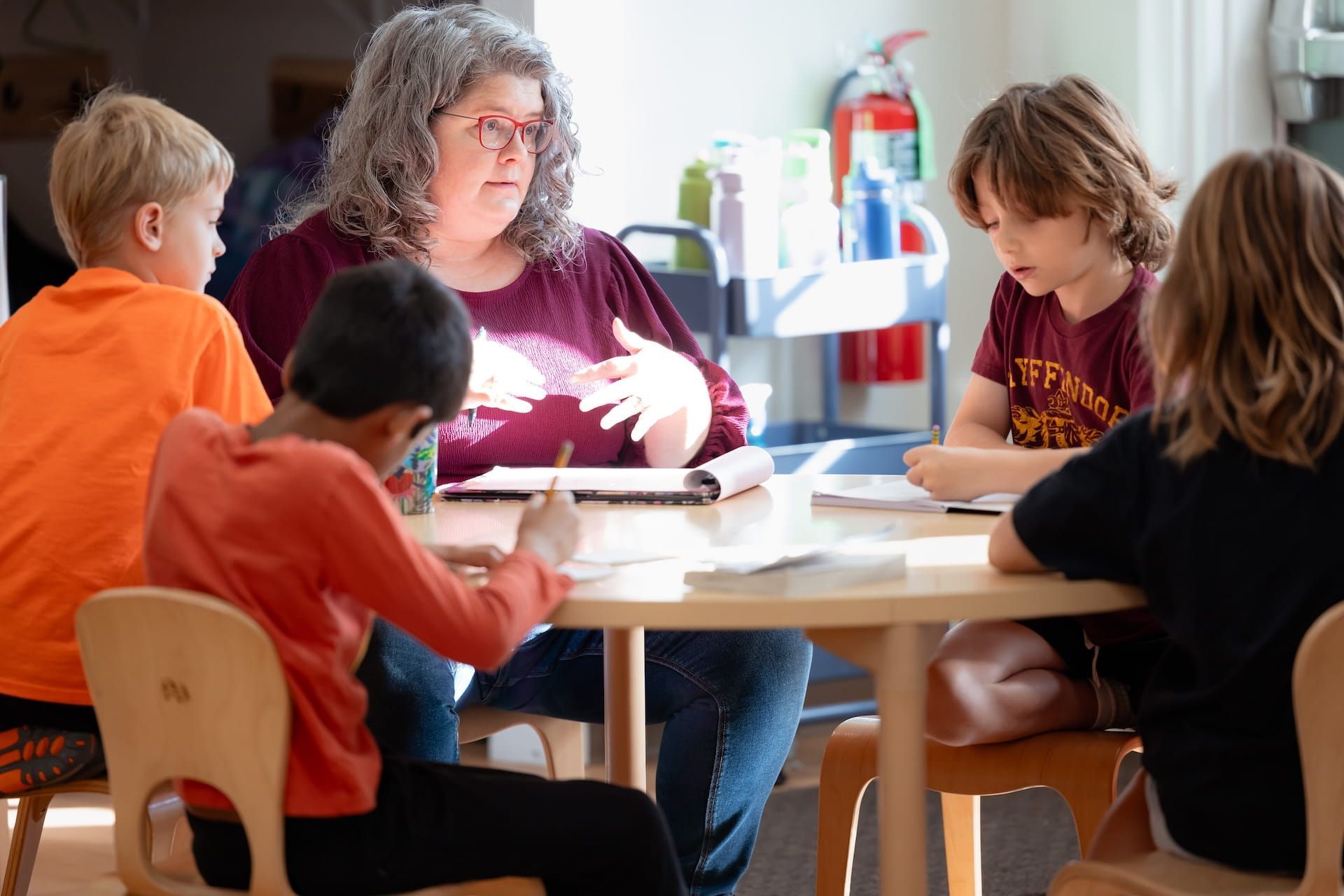
Rather than issuing directives or stepping in with traditional corrections when a social hiccup occurs, educators offer gentle, explicit lessons in small groups using role-playing. Children practice:
- How to politely interrupt a conversation
- How to offer and accept help
- How to greet a guest or introduce oneself
- How to navigate shared space peacefully
Crucially, lessons in grace and courtesy are never given in moments of conflict or as a form of discipline. Correcting a child on the spot can wound their sense of dignity and disrupt their feeling of emotional safety. Dr. Maria Montessori observed this deeply, writing in The Secret of Childhood:
"I have come to appreciate the fact that children have a deep sense of personal dignity. Adults, as a rule, have no concept of how easily they are wounded and oppressed."
By proactively offering these lessons and providing a safe space to practice, children naturally internalize these social skills, developing true empathy and self-regulation over time.
Human Tendencies
Human tendencies are the universal, unconscious drives that exist within all of us from birth. They are the natural mechanisms that help human beings adapt to their specific time, place, and culture. These innate drives include the urge to:
- Explore and orient oneself to an environment
- Seek order and make connections
- Communicate, collaborate, and belong
- Work, repeat, and refine skills toward mastery
- Imagine and think abstractly
Dr. Montessori recognized that when children are allowed to satisfy these inner drives through meaningful work, they are not merely learning a temporary skill, they are actively constructing who they are as individuals. She noted:
"Their behavior led us to become aware of a fundamental truth, namely that the child works for his own inner development and not to reach an exterior aim..."
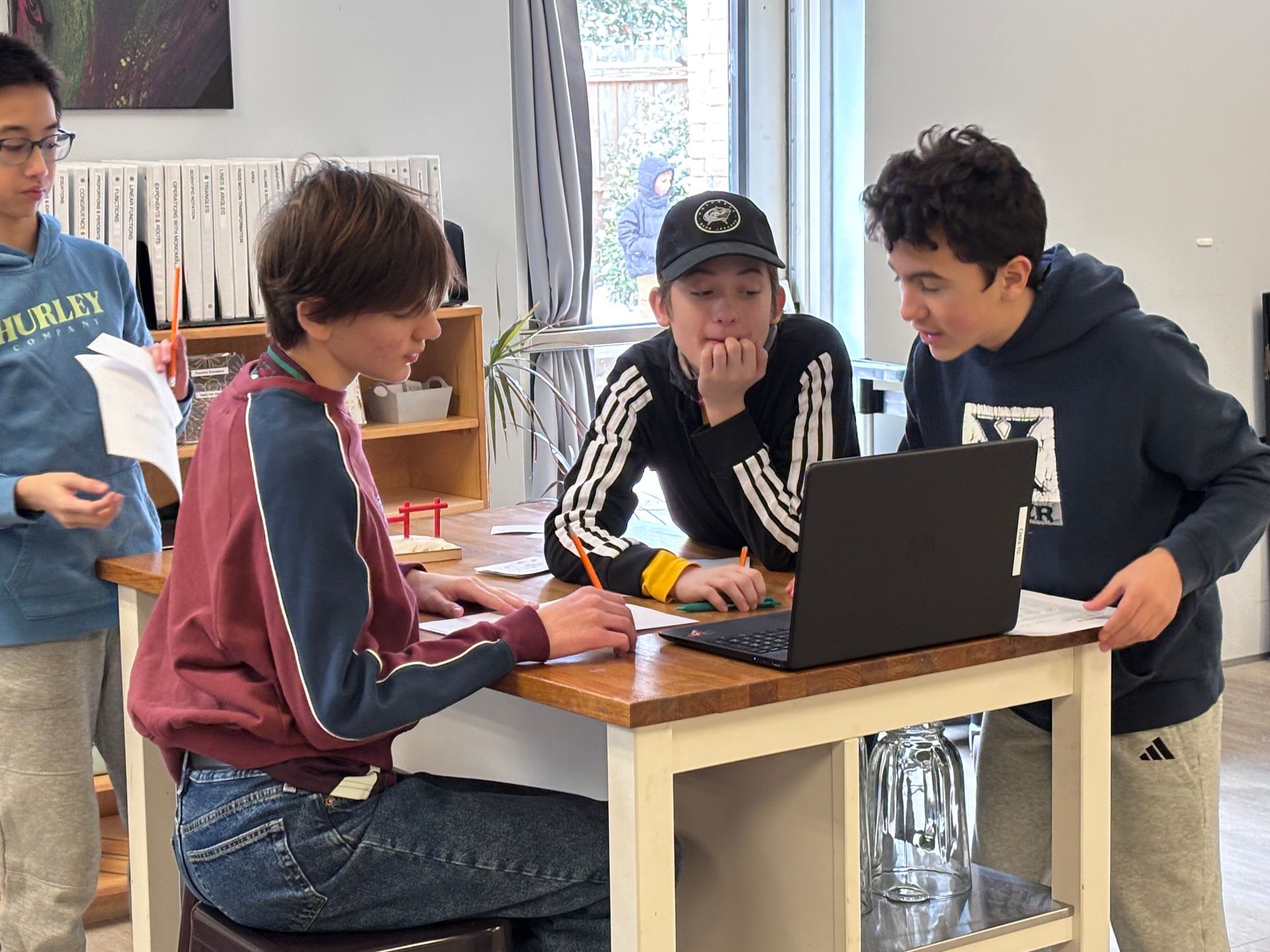
When we recognize human tendencies at work, we can better understand why a toddler insists on lining up their shoes in an exact order, or why a middle school student is deeply driven to collaborate on a community project. They are following a profound biological drive toward self-construction.
The Prepared Environment
The prepared environment is a hallmark of authentic Montessori education. It is a space, both physical and psychological, that has been intentionally organized to satisfy the child's developmental needs and human tendencies at every stage of growth.
A prepared environment includes:
- Child-sized physical elements: Accessible, low shelves
, lightweight furniture, and open-ended materials that invite independent choice.
- Order and beauty: Clean, uncluttered spaces that promote focus, calm, and a sense of responsibility.
- The Prepared Adult: The educator who observes thoughtfully, models peace and courtesy, and connects the child to the materials rather than acting as the central source of instruction.
The child, the environment, and the adult form a dynamic triad. Within this space, children are trusted to follow their intrinsic motivation, choosing work that meets their exact developmental readiness.
Sensitive Periods
Long before modern neuroimaging confirmed critical windows in brain development, Dr. Maria Montessori identified what she termed sensitive periods. Through rigorous scientific observation, she noticed that children pass through transitory stages where they possess an almost magnetic attraction to specific aspects of their environment.
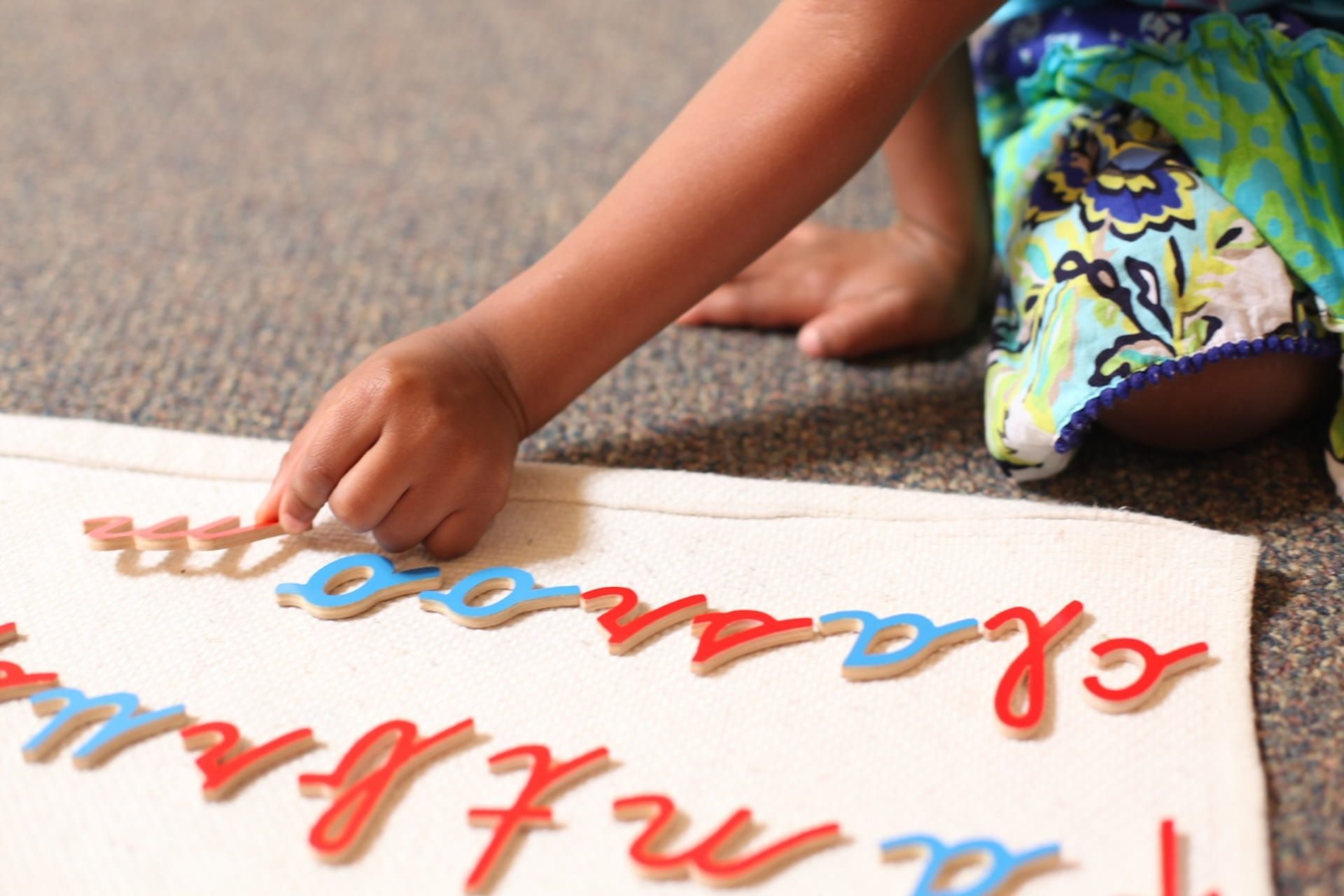
During a sensitive period, a child might repeat an activity endlessly, such as practicing fine motor control, learning language, or organizing objects, with deep concentration and without fatigue. Once the underlying developmental need is satisfied, the intense interest naturally fades, making way for a new window of opportunity.
Understanding sensitive periods allows educators and parents to observe with patience. Rather than forcing a skill before a child is ready or missing the window when enthusiasm is highest, we can support their natural timeline with the right environment and materials.
Experience Authentic Montessori at MSL
Understanding the philosophy is a wonderful first step, but seeing these principles in action is where the real connection happens.
What does a community look like when it prioritizes personal dignity, respects human development, and cultivates deep concentration? We invite you to
step into our classrooms
and witness the joy of self-directed learning firsthand.