The Benefits of Multi-Age Grouping

One hallmark of a Montessori education is the intentional use of multi-age classrooms. At Montessori School of Louisville (MSL), our programs honor this natural developmental flow across a complete continuum:
- Toddler (18 to 36 months): A warm, nurturing environment tailored for early independence and gentle exploration.
- Early Childhood / Primary (Ages 3 to 6): Bringing together preschool and kindergarten-aged children in a harmonious, self-directed community.
- Lower Elementary (Ages 6 to 9 / Grades 1 to 3): Fostering collaborative learning, curiosity, and social responsibility.
- Upper Elementary (Ages 9 to 12 / Grades 4 to 6): Deepening academic inquiry, executive functioning, and abstract thinking.
- Middle School (Ages 12 to 15 / Grades 7 to 8): Guiding young adolescents as they build self-efficacy, purpose, and community leadership.
While Montessori is not the only educational framework that utilizes multi-age classrooms, it remains one of the most intentional. What are the deep, developmental benefits of structuring a community this way? Let’s explore how multi-age environments support the whole child.
Learning at an Individual Pace
In a multi-age classroom, children experience greater flexibility as they master skills across developmental planes. We know that learning is not strictly linear; every learner experiences seasons of rapid growth, plateaus, and moments that require quiet consolidation.
In a multi-age setting, children are free to follow their intrinsic motivation and work at their own pace without the pressure of keeping up with an entire grade-level group.
When classroom ages span two to three years, every child naturally finds peers who match their current developmental readiness and academic interest. Children do not feel left behind when working through a challenge, nor do they feel constrained by repetition when they are ready to move forward. Montessori guides (teachers) observe each child thoughtfully, bringing a deep understanding of the developmental continuum to differentiate learning for every individual.
Building Stronger, Deeply Rooted Relationships
In conventional school settings, children transition to a new classroom, new peer group, and new teacher every year. This constant shifting requires children to adapt repeatedly to changing expectations and classroom routines.
In a multi-age classroom, children remain with the same Montessori guide and community for a three-year cycle. Over this extended time, guides develop a profound understanding of each child's unique learning style, strengths, interests, and emotional needs. They know how to spark a child's natural curiosity and how to prepare an environment where that child feels secure enough to take meaningful learning risks.
Parents benefit deeply from this continuity as well. Staying with a guide over multiple years strengthens home-to-school communication, builds lasting trust, and fosters a true partnership between families and educators, with the child always at the center.
Mentors, Leaders, and the Grace of Peer Learning
Spending three years in the same prepared environment affords children two distinct, transformative opportunities:
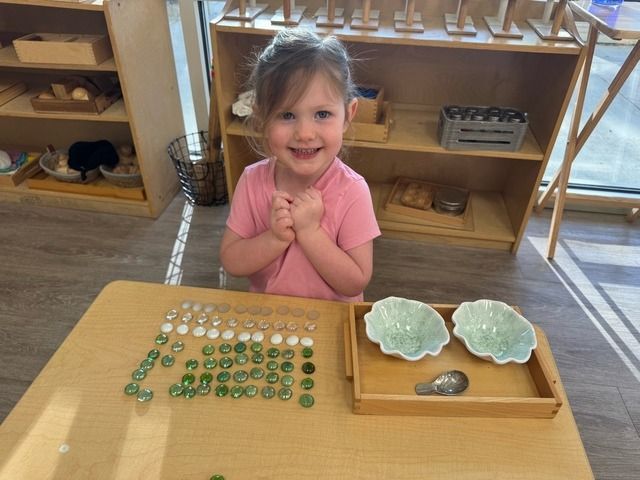
- As First and Second-Year Students: Children are surrounded by helpful peer mentors. Children naturally learn from and inspire one another. Younger students observe older peers engaging with advanced, challenging work, which nurtures their curiosity and drive. They look to older friends for guidance, and those invitations are met with empathy and support.
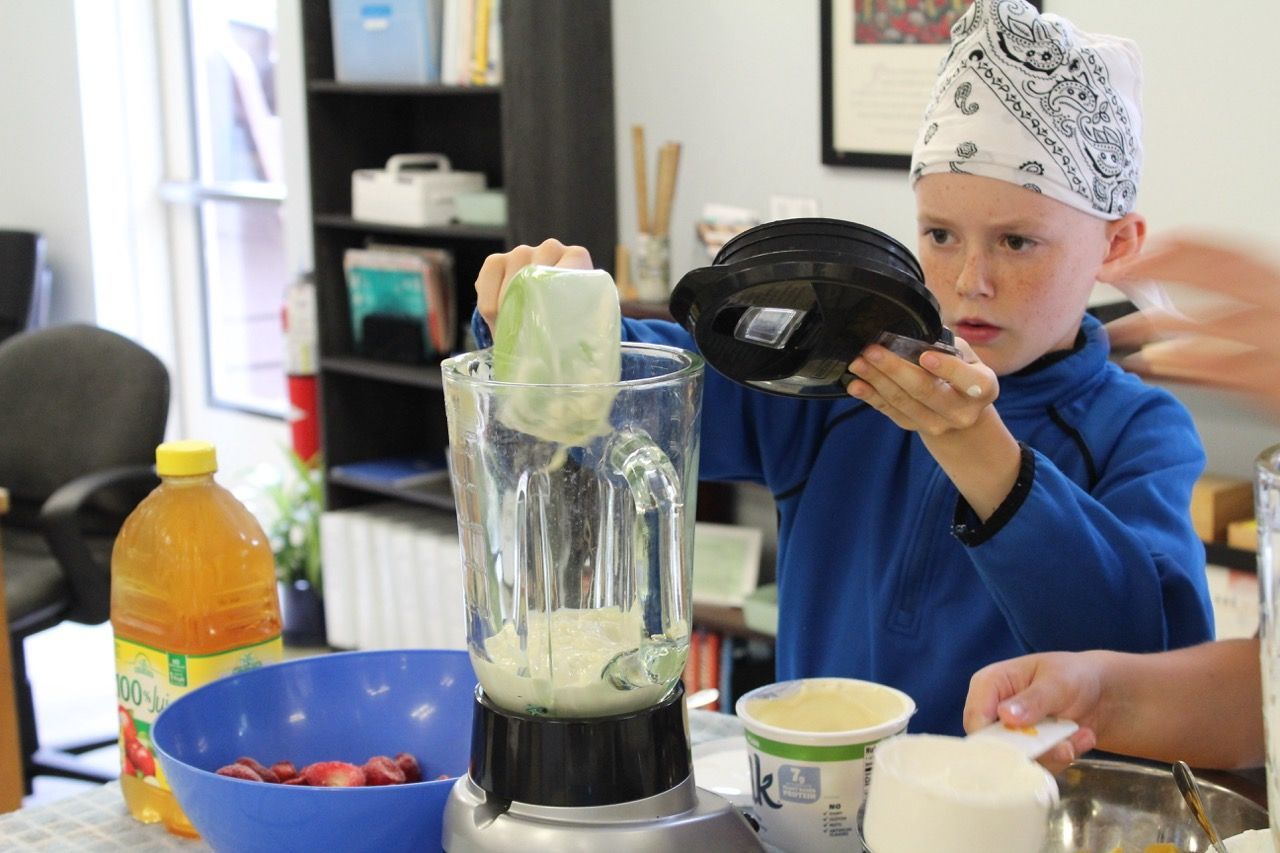
- As Third-Year Leaders: During their final year in a cycle, students step naturally into leadership roles. In our classrooms, older children are frequently seen giving lessons to younger friends, offering encouragement, helping care for the classroom environment, or modeling Grace and Courtesy.
This transition from observer to mentor unfolds naturally as a child reaches developmental readiness, creating a peaceful community built on mutual respect.
Mirroring Real-Life Communities
Outside of conventional grade-level classrooms, there is virtually no setting in life where people are divided strictly by birth year. Whether within a family, a neighborhood, or the modern workplace, human beings naturally live, learn, and collaborate alongside people of varied ages and life experiences.
Living and learning in a multi-age community prepares children for the real world by fostering empathy, active listening, collaboration, and social adaptability from an early age.
Moving Forward with Confidence
While remaining in the same classroom community for three years brings wonderful stability, a child will eventually transition to the next developmental level. While these transitions are often bittersweet, Montessori students step forward with readiness, intrinsic confidence, and joy.
Dr. Maria Montessori designed these multi-age groupings around the natural Planes of Development, identifying distinct physical, cognitive, and social-emotional growth milestones that occur around ages 3, 6, 9, and 12. The multi-age groupings across MSL are purposefully aligned with these stages, giving children a grounded sense of belonging while fully preparing them to soar into the next chapter of life and learning.
To learn more about how our multi-age classrooms support your child's journey from Toddlerhood through 8th Grade, we invite you to reach out to
schedule a visit with our admissions team.