The Power of Presence: How Adults Shape Learning in the Early Years
March 16, 2026
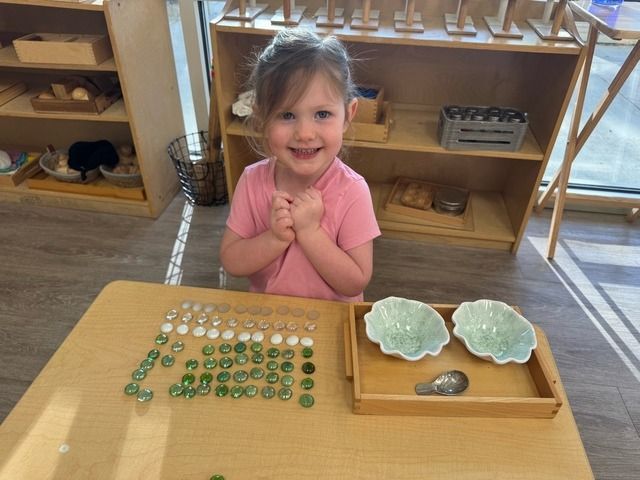
Montessori guide and child reflect together during a one-on-one conference

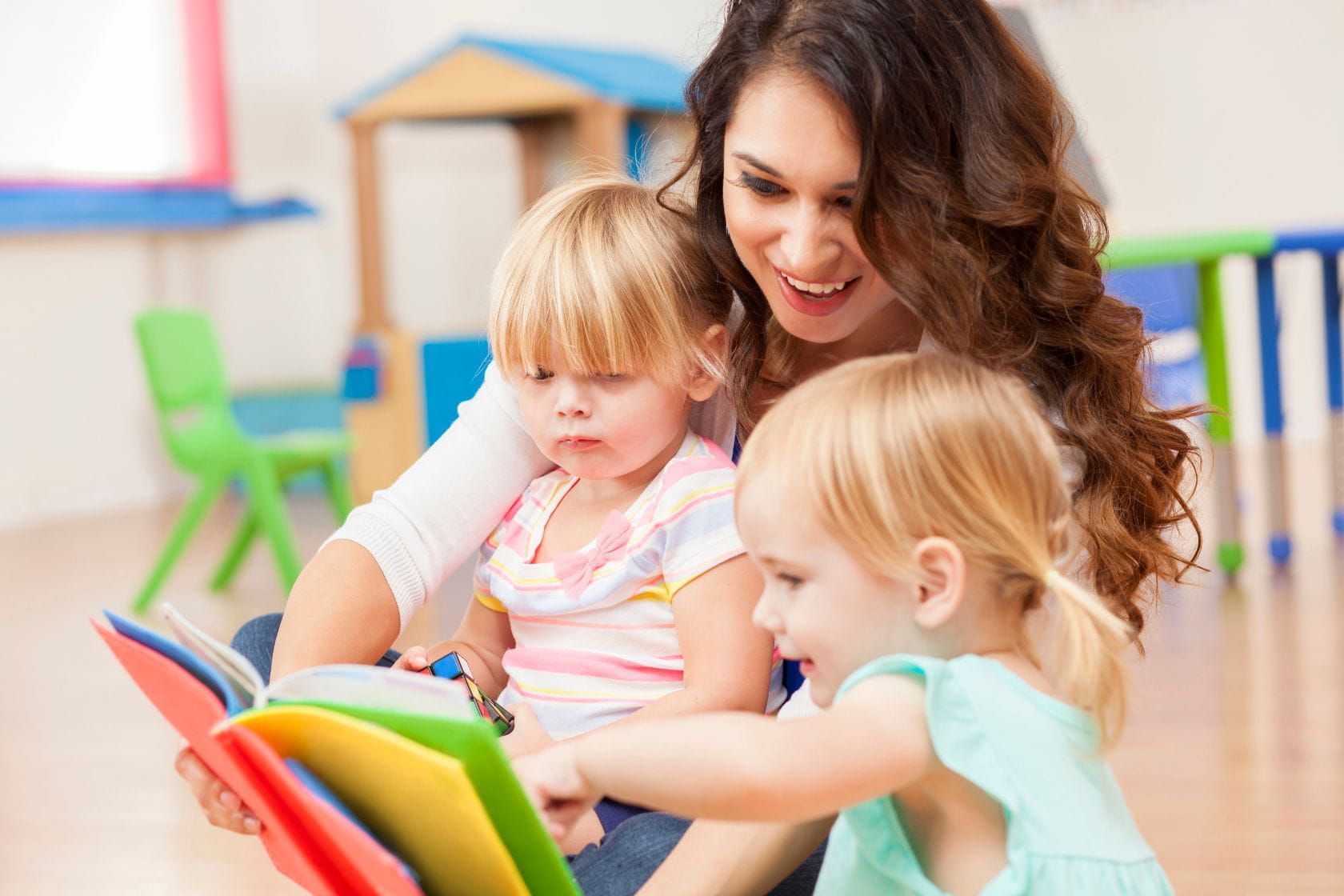
In Montessori, we often focus on how the environment educates the child, but just as powerful as the physical space is the presence of the adult within it. For children in the first three years of life, adults are not simply caregivers or teachers. We are models of movement, language, emotional regulation, and relationships.


Being present with young children is about being present in a different way.


From Birth to About 14 to 16 Months


Infants are forming their earliest understanding of the world and of themselves. They observe everything! So the adult’s role requires a quiet strength and a deep level of self-awareness.


To be present with infants, we must love without expectation. Infants are not able to return affection in predictable ways, and presence cannot be dependent on feedback or validation. This work requires patience, generosity, and emotional steadiness.


Movement also matters deeply at this stage. Infants study how adults walk, reach, sit, and handle objects. Slow, intentional movement gives children something meaningful to absorb. When adults rush, babies feel it, even if they cannot name it.


Our language, too, must be precise and respectful. Clear enunciation and specific wording help infants build an accurate internal map of their world. Vague language like “that” or “over there” offers little clarity. Instead, we want to name what we see and what we are doing: “I am placing the cup on the table.”


Infants cry as their primary form of communication. Being present means responding without panic or frustration, and making thoughtful decisions even when there are multiple demands on our presence. Emotional regulation in adults becomes a sense of emotional safety for the child.


Dynamic Toddlers


As children grow into toddlers, our presence still needs to be very intentional, yet it also becomes more dynamic.


While toddlers are building independence, they still need deep connection. For adults, this means remaining loving without demanding affection or closeness. Even physical affection requires consent: “Would you like a hug?” or “Do you need some comfort?” Respecting children’s autonomy builds trust and self-awareness.


This stage is full of transitions, especially for children navigating new siblings, new communities, or a growing awareness of others. Sometimes toddlers want to be capable and independent. Then sometimes they want to be cared for like a baby again. Presence means honoring both without pushing the child prematurely in either direction.


Limits are a key expression of presence. Clear, consistent boundaries create structure, and structure supports independence. A few simple rules, maintained calmly and consistently, help children orient themselves in the world. 


If power struggles emerge, we can use them as opportunities to reflect on control rather than behavior. If children have tantrums, presence means staying close without escalating. During the height of anger or upset, we may simply ensure safety. When a child moves into sadness or overwhelm, we can offer comfort and reassurance. The goal is not to stop the tantrum, but to support a child through it.


Flexibility is another essential part of presence. Although routines give children a sense of security, rigidity can disconnect us from their real needs. Sometimes the best choice is to go outside, to move, or to shift the plan. When children feel secure, they can adapt, and so can we.


Finally, presence means embracing life alongside children. Young children notice the world with fresh eyes. Weather, seasons, light, and movement all become sources of joy and wonder. When we allow ourselves to feel awe again, children experience validation that life is something rich and meaningful.


Our Inner Work


Being present with young children is demanding, not because of what children require, but because of what we must bring: patience, humility, emotional regulation, and a willingness to slow down.


This work invites us to become more aware of ourselves: our language, our pace, our reactions, and our assumptions. In doing so, we offer children not just care, but a living model of how to be human in relationship with others.


Presence is not perfection. It is mindful attention. And for young children, that attention becomes the foundation upon which everything else is built.


Please visit our school in Louisville, Kentucky to learn more about how we think about the role of adults in children’s learning environment!
October 26, 2026
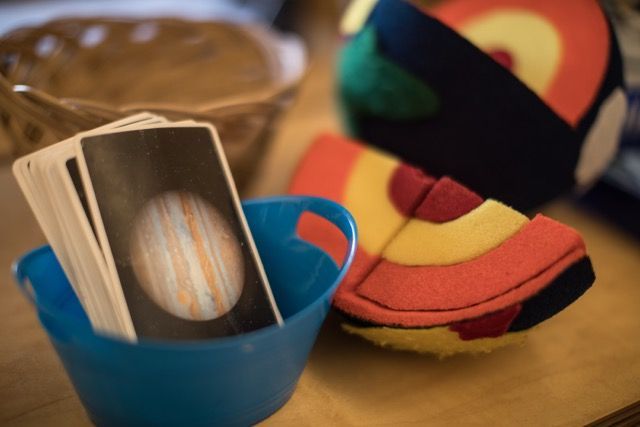
When Dr. Maria Montessori began developing her curriculum for elementary-aged children, she recognized that their educational needs undergo a profound transformation. Academic skills become more complex, but more importantly, the way content is delivered must fundamentally shift. In the elementary years (ages 6–12), children transition away from the sensory, hands-on physical boundaries of early childhood and move toward an expanding intellectual horizon. Around age six, a child’s scope of vision expands exponentially beyond themselves. Social connections become paramount, a vivid imagination awakens, and a deep curiosity takes hold regarding the universe, society, and their own place within the big picture. To meet this developmental leap, Dr. Montessori created Cosmic Education—a holistic framework that presents the story of the universe and humanity’s interconnected role within it. The Five Great Lessons: Springboards for Imagination At the heart of Cosmic Education are the Five Great Lessons. These are not intended to be exhaustive academic lectures; rather, they are dramatic, impressionistic stories designed to ignite the child's imagination and serve as a springboard for all future research and learning. Because children spend three years in each elementary community (Lower Elementary: ages 6–9; Upper Elementary: ages 9–12), they experience these lessons three distinct times. Each year, as their cognitive capacity grows, the lessons reveal deeper layers of meaning, sparking fresh, student-led exploration in chemistry, history, mathematics, language, and the sciences. Great Lesson 1: The Creation of the Universe Typically presented at the start of the school year, this lesson offers a captivating sense of wonder. Guides intentionally prepare the atmosphere: drawing the blinds, dimming the lights, and gathering children around a series of impressionistic materials and science experiments. The story begins in the vast, cold darkness before the universe existed, building up to the instantaneous moment of creation. Through striking demonstrations, children observe: How particles moved together and apart The speed of light and the immense scale of stars States of matter (solids, liquids, gases) The formation of the solar system, the cooling of the Earth, and volcanic activity Follow-Up Studies: This lesson serves as the gateway to physics, chemistry, astronomy, geology, physical geography, and the scientific method. Great Lesson 2: The Coming of Life As the school year progresses, attention shifts to how life emerged on Earth. To help elementary students grasp deep time, guides utilize impressionistic visual materials: The Long Black Strip: A long runner of black fabric representing Earth's vast lifespan, ending with a tiny sliver of white to represent all of human history. This material provides a humbling visual perspective on our planet's timeline. The Clock of Eras & The Timeline of Life: Colorfully illustrated charts detailing life’s evolution from single-celled organisms through early plants, invertebrates, vertebrates, and dinosaurs. Follow-Up Studies: Children dive into biology, Botany, Zoology, the five kingdoms of life, vertebrate classification, and paleontology through fossil studies. Great Lesson 3: The Coming of Humans This lesson introduces early human ancestors and the arrival of human consciousness. Children reflect on what makes human beings unique—our ability to think, reason, feel deeply, and collaborate to invent tools that solve complex problems. Guides introduce the Fundamental Needs of Humans, demonstrating how all people throughout history and across cultures share the exact same core requirements for survival and fulfillment (shelter, nourishment, clothing, defense, spiritual expression, and art). Follow-Up Studies: Ancient history, cultural anthropology, world geography, social studies, and human migration patterns. Great Lesson 4: The History of Mathematics Elementary students are fascinated to discover that mathematics was not created out of thin air, but was invented by ancient civilizations to solve real-world problems, like measuring land, trading goods, and tracking time. By learning about the contributions of the Babylonians, Egyptians, Greeks, Mayans, and early Indian mathematicians who developed the concept of zero, children realize that numbers are a shared human heritage. Follow-Up Studies: When children work through subtraction, long division, or geometry, they ground their practice in historical context, making abstract math deeply meaningful and engaging. Great Lesson 5: The History of Language Similar to the history of math, this lesson illuminates how written language evolved. From early cave paintings and Egyptian hieroglyphics to the Phoenician alphabet and the printing press, students learn how humans captured spoken thoughts to communicate across distance and time. Follow-Up Studies: Because elementary students are actively refining their reading, grammar, creative writing, and research skills, understanding the origin of words (etymology) inspires pride and curiosity in their literacy work. Experiencing Cosmic Education at MSL Cosmic Education gives children a sense of purpose and belonging. Instead of delivering isolated facts, Montessori presents the whole universe first, allowing students to see how every detailed subject connects back to the grand story of life. Would you like to observe our Lower and Upper Elementary classrooms in action and see Cosmic Education at work? Schedule a tour today!
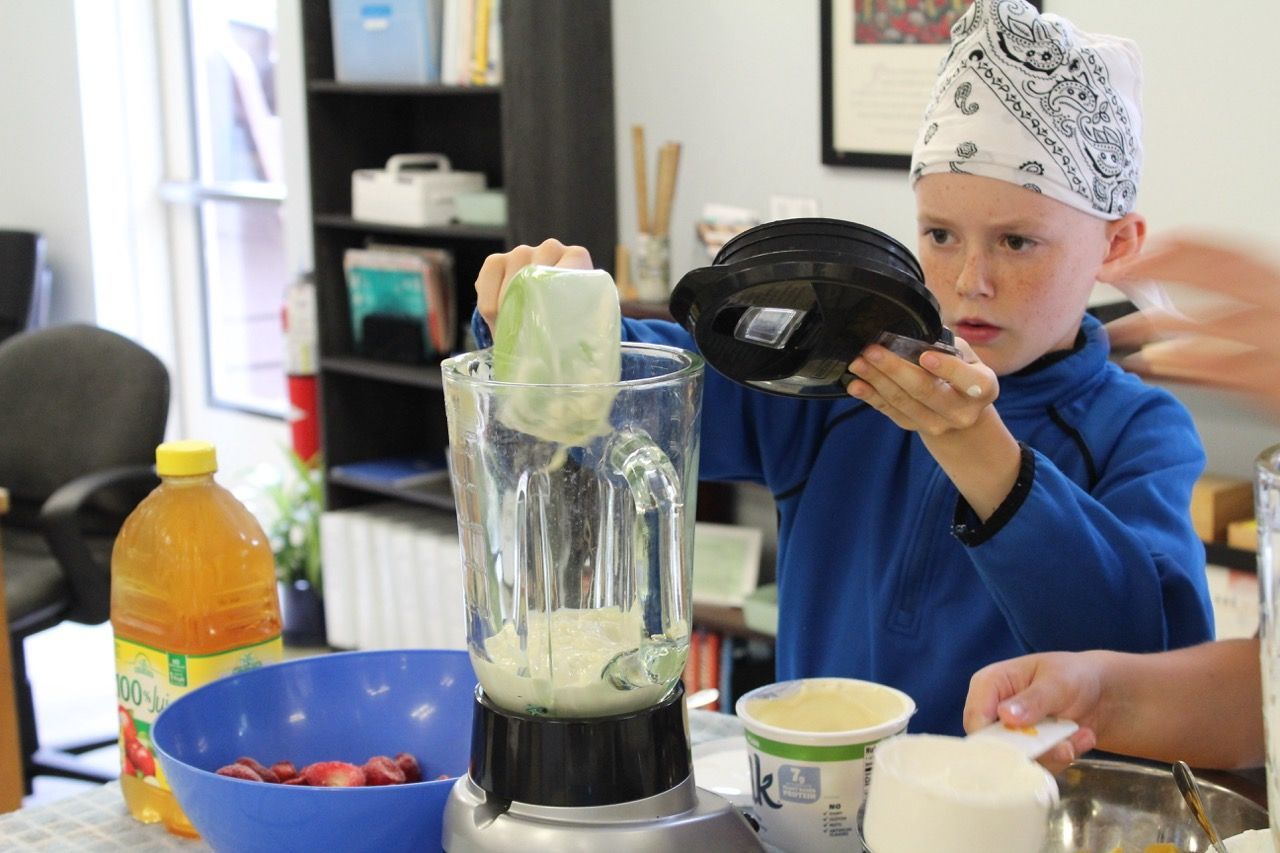
Child in a bandana pours ingredients into a blender on a kitchen counter with bowls and drinks nearby
October 19, 2026
Discover how MSL’s Practical Life curriculum nurtures independence, motor refinement, and real-world executive functioning from Toddlers through Middle School.
Smiling child at a table with the cards and counters material in a classroom setting
October 12, 2026
Discover how MSL balances freedom of choice with age-appropriate limits to cultivate self-discipline, personal dignity, and a love for learning from Toddler to Middle School.
More Posts