Our Montessori Bookshelf: Autism Awareness
Montessori School of Louisville • March 31, 2025

We are committed to building communities based on understanding, acceptance, and support. So, in honor of Autism Awareness Month, which is observed every April, we are sharing some of our favorite books with themes of understanding autism and appreciating neurodiversity. 


We hope that in exploring these books together, you and your children can help dispel myths and misconceptions about autism, foster a more inclusive society, and recognize the unique strengths that neurodiverse individuals can offer.
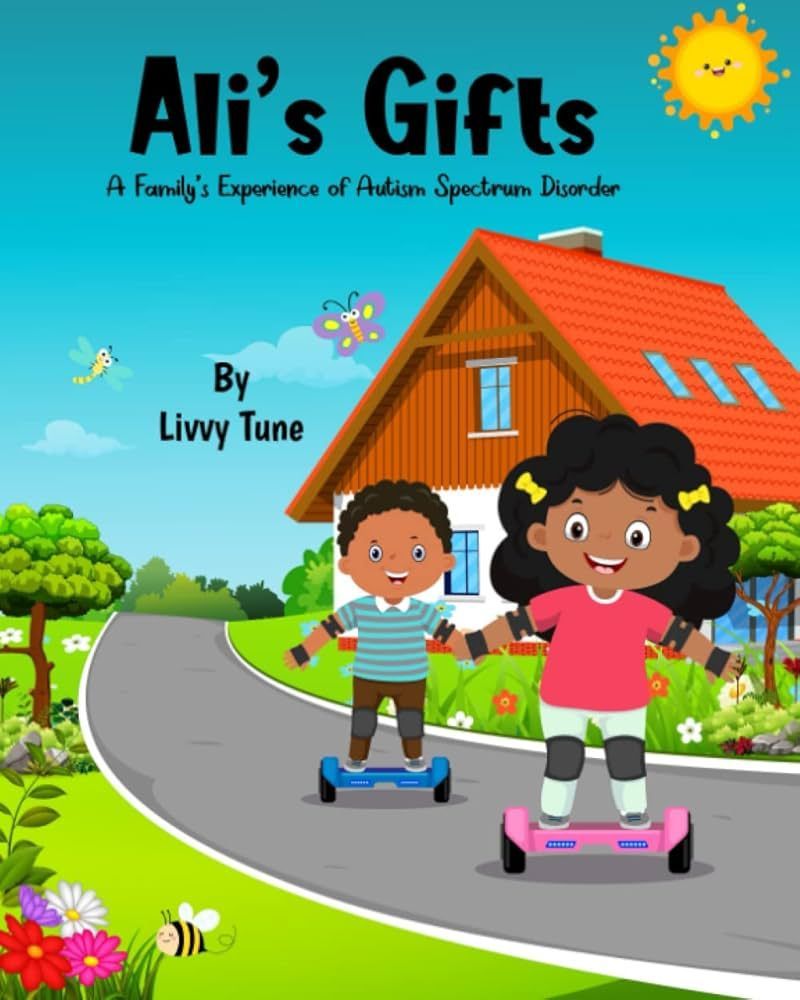
Ali's Gifts: A Family's Experience of Autism Spectrum Disorder

By Livvy Tune


Told from an older sister’s perspective, this story highlights the importance of a family focusing on how to understand a child’s experience of autism (rather than worrying about what other people think). The book provides a lovely journey from the initial upset of people asking, “What’s wrong with your brother?” to celebrating uniqueness.
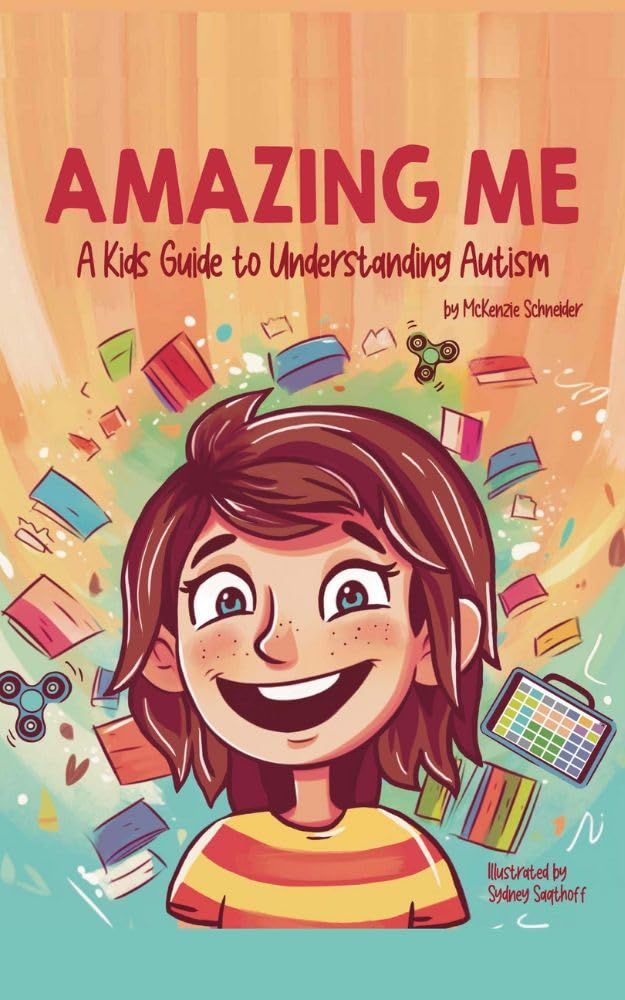

Amazing Me: A Kids Guide to Understanding Autism

By McKenzie Schneider, Illustrated by Sydney Saathoff


This book can be a good resource for a younger elementary-age child who is just learning about what it means to be a person with autism. The clear descriptions and examples of what autism means for the main character, Alex (who can be seen as either a boy or girl, depending upon the reader’s perspective), can also serve as a helpful reference for if and when issues arise (e.g. making friends, sensory overwhelm, etc.) and also for celebrating strengths!
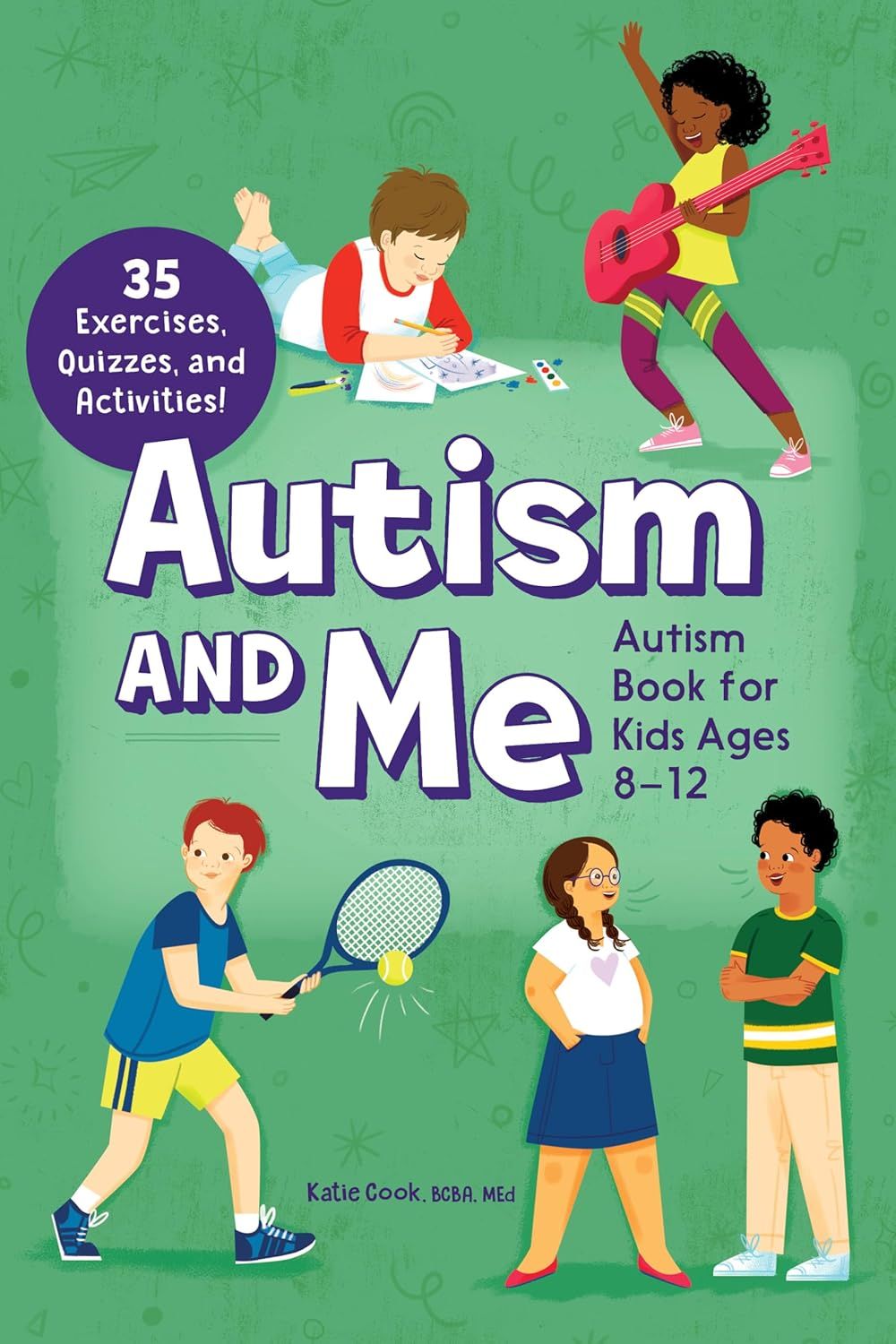

Autism and Me: An Empowering Guide with 35 Exercises, Quizzes, and Activities!

By Katie Cook


When older children are ready to learn more about autism (either as someone who has autism or as someone who wants to be supportive), this is a great go-to guide. Full of real-life examples, interactive activities, and easily digestible information, this is a must-have positive and empowering resource. The book is mostly text, with a few illustrations and decorative elements woven in.
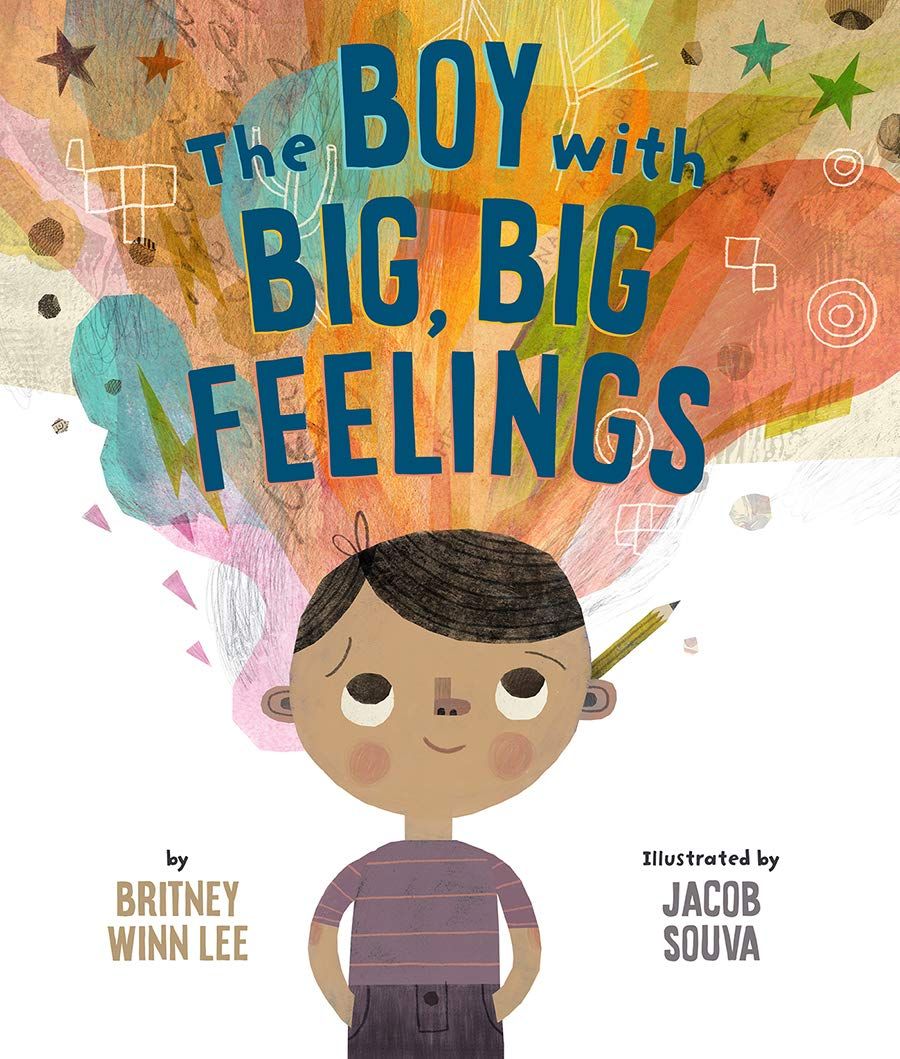

The Boy with Big, Big Feelings

By Britney Winn Lee, Illustrated by Jacob Souva


Written in rhyme, this picture book shows how some children might feel things more intensely. A boy’s emotions are illustrated in colorful swaths coming out of him in different situations. Eventually, by connecting with a girl who also has big feelings, the boy feels more secure about expressing his emotions, which helps others, too. Although not specifically about autism, this story can be a way to explore sensory sensitivities and big reactions to seemingly small issues. 
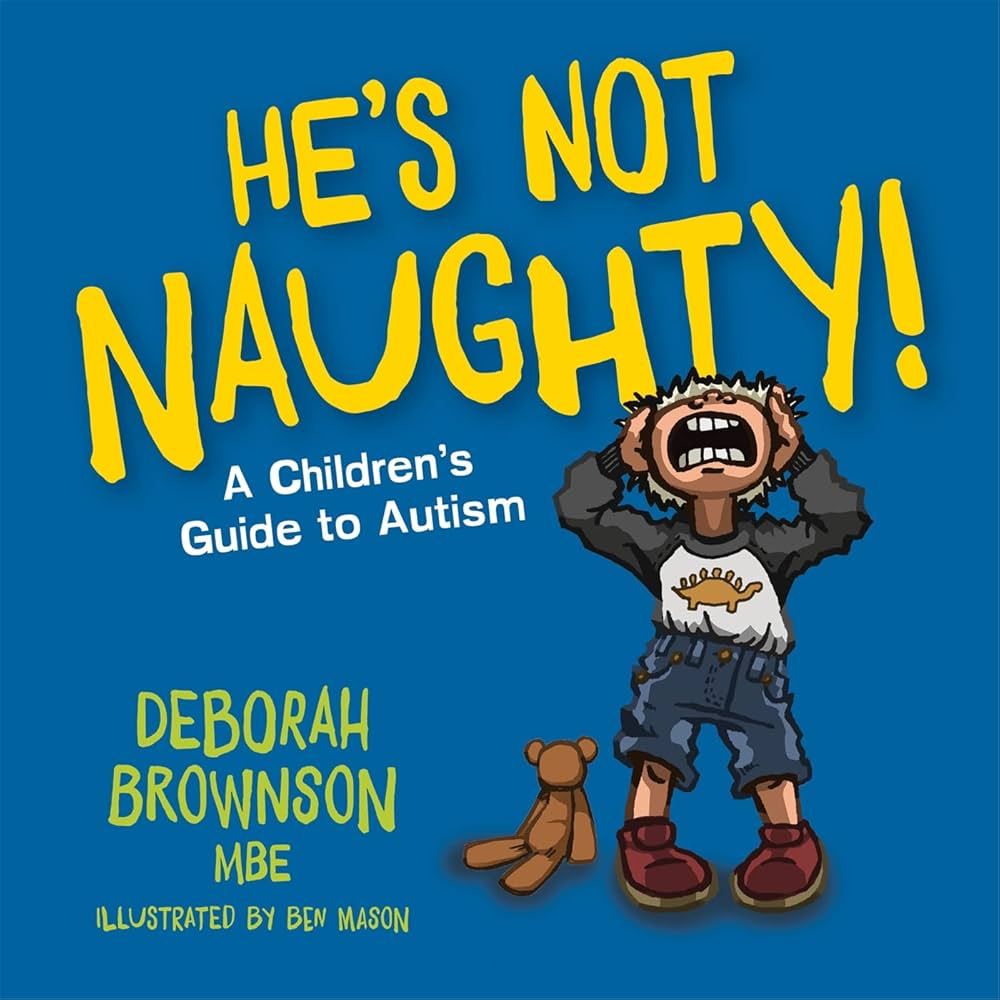

He’s Not Naughty! A Children’s Guide to Autism

By Deborah Brownson, Illustrated by Ben Mason


This is a good resource for elementary-aged children who want to better understand autism. The pages are filled with text that feels handwritten and bold images that help make the point. Although the book feels like a stream of conscious sharing about autism, it actually starts with a table of contents, which can be helpful for referencing particular aspects of ASD (like making friends, smells, or routines). At first glance, the book feels overwhelming, but it can serve as a helpful reference for children with autism and their friends and family. 
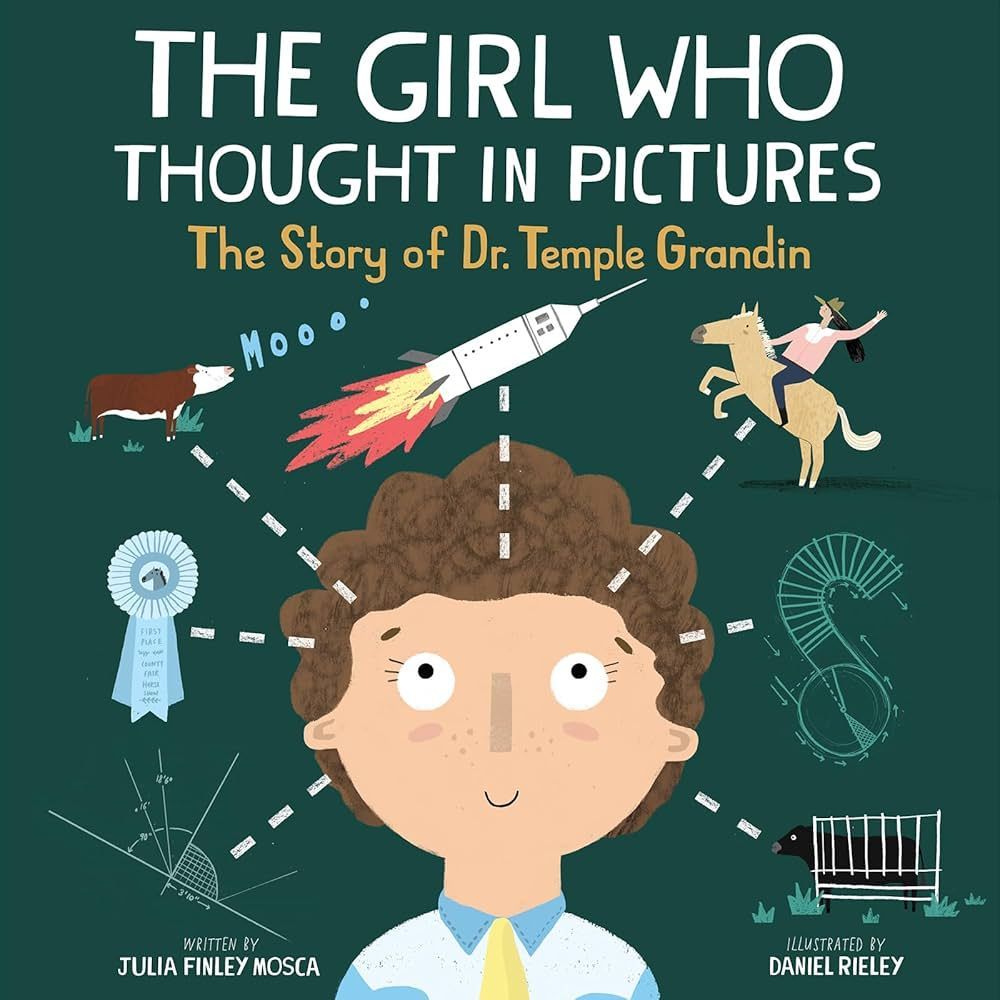

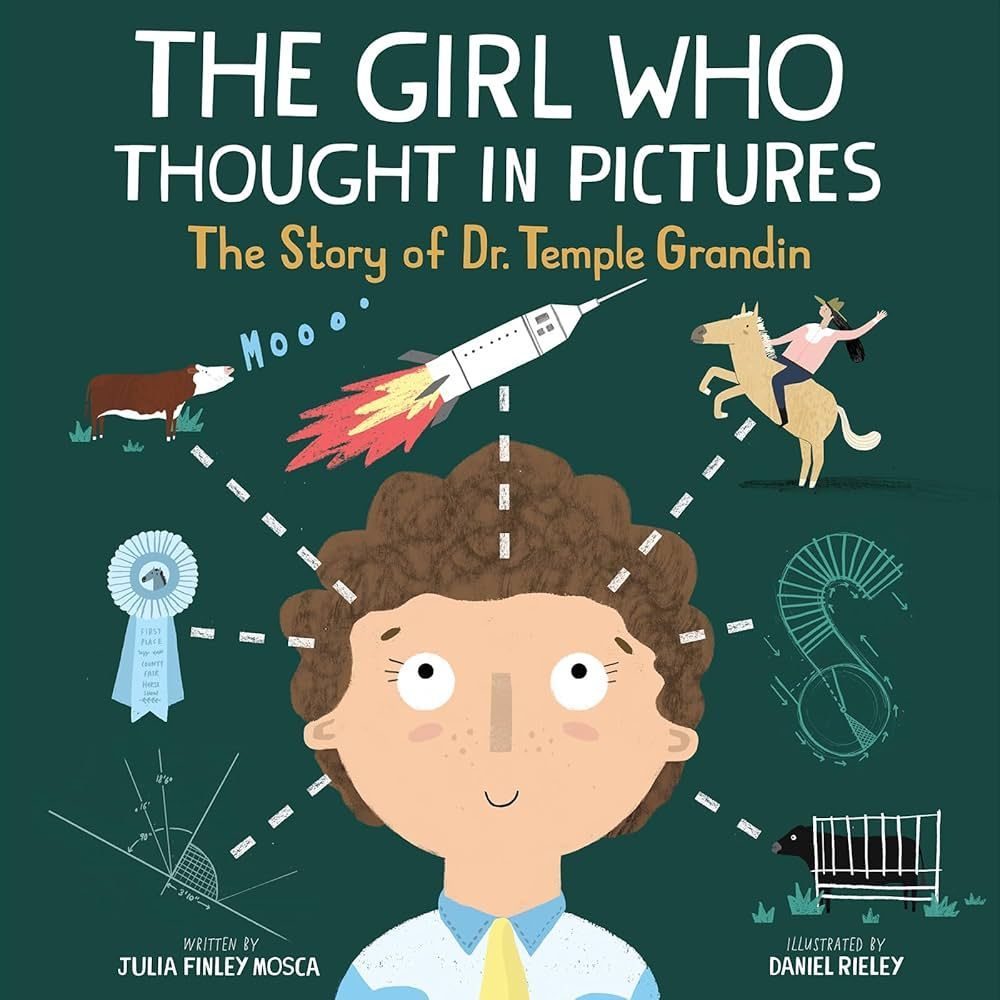
The Girl Who Thought in Pictures: The Story of Dr. Temple Grandin

By Julia Finley Mosca, Illustrated by Daniel Rieley


Told in rhyming verses, this true story chronicles the life of a girl who was diagnosed with autism, struggled at school, but then who (thanks to supportive, understanding adults) went on to not only achieve incredible academic success but also to revolutionize how farms could be more compassionately designed for animals. The end of the book includes a note from Temple Grandin, tidbits and fun facts from the author’s interview with her, a well-designed timeline of Temple Grandin’s life, a thorough written overview of her life, and resources for further information. 
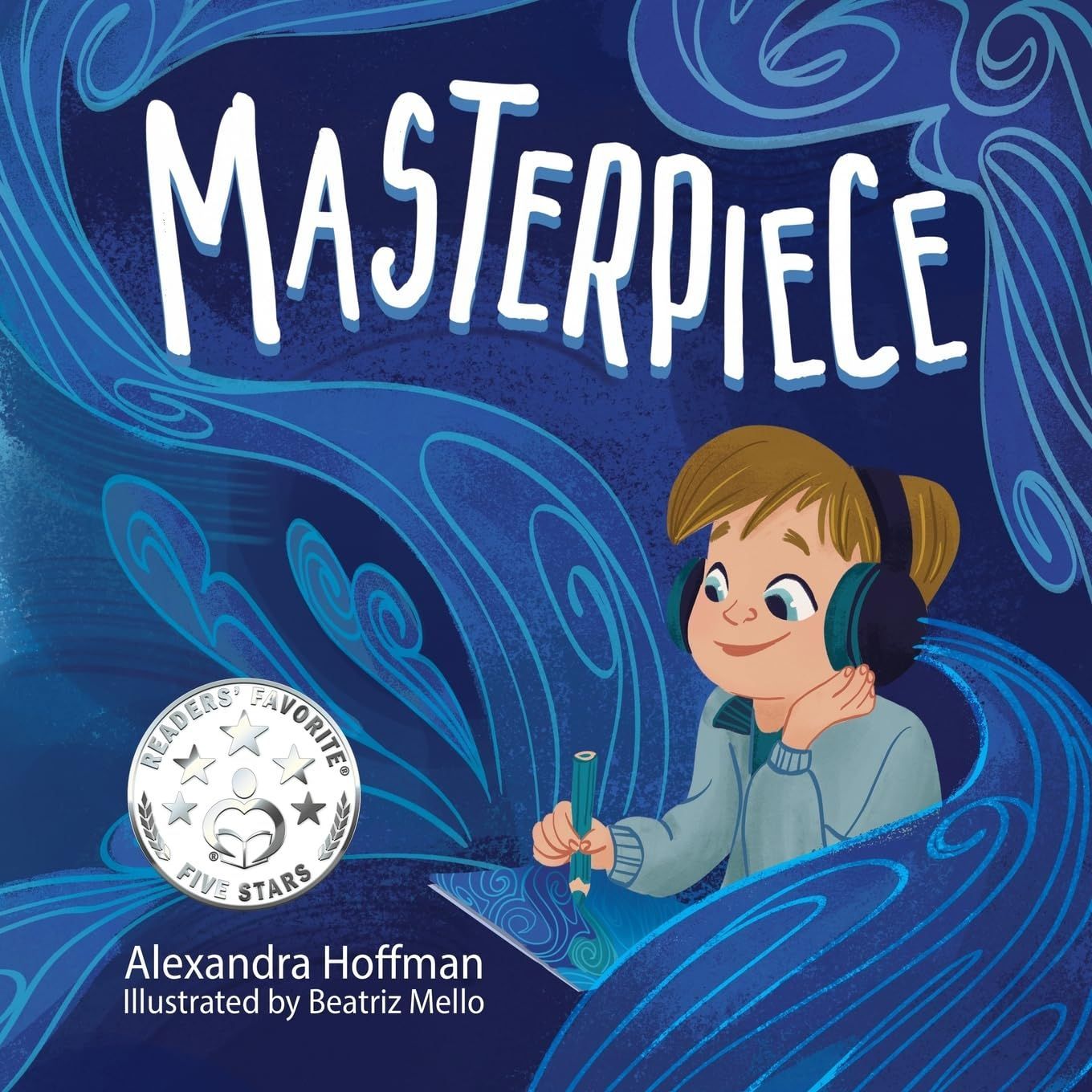

Masterpiece

By Alexandra Hoffman, Illustrated by Beatriz Mello


Samuel, the main character, is obsessed with blue and creates a picture with all the shades of blue for a class project. The gift of this book isn’t necessarily the storyline or illustrations, though. Rather it masterfully tells a simple story that normalizes being a person with autism. From arm flapping, to wearing headphones, to needing the teacher to quietly connect about expectations, Samuel’s uniqueness is just gently woven into what the reader experiences. 
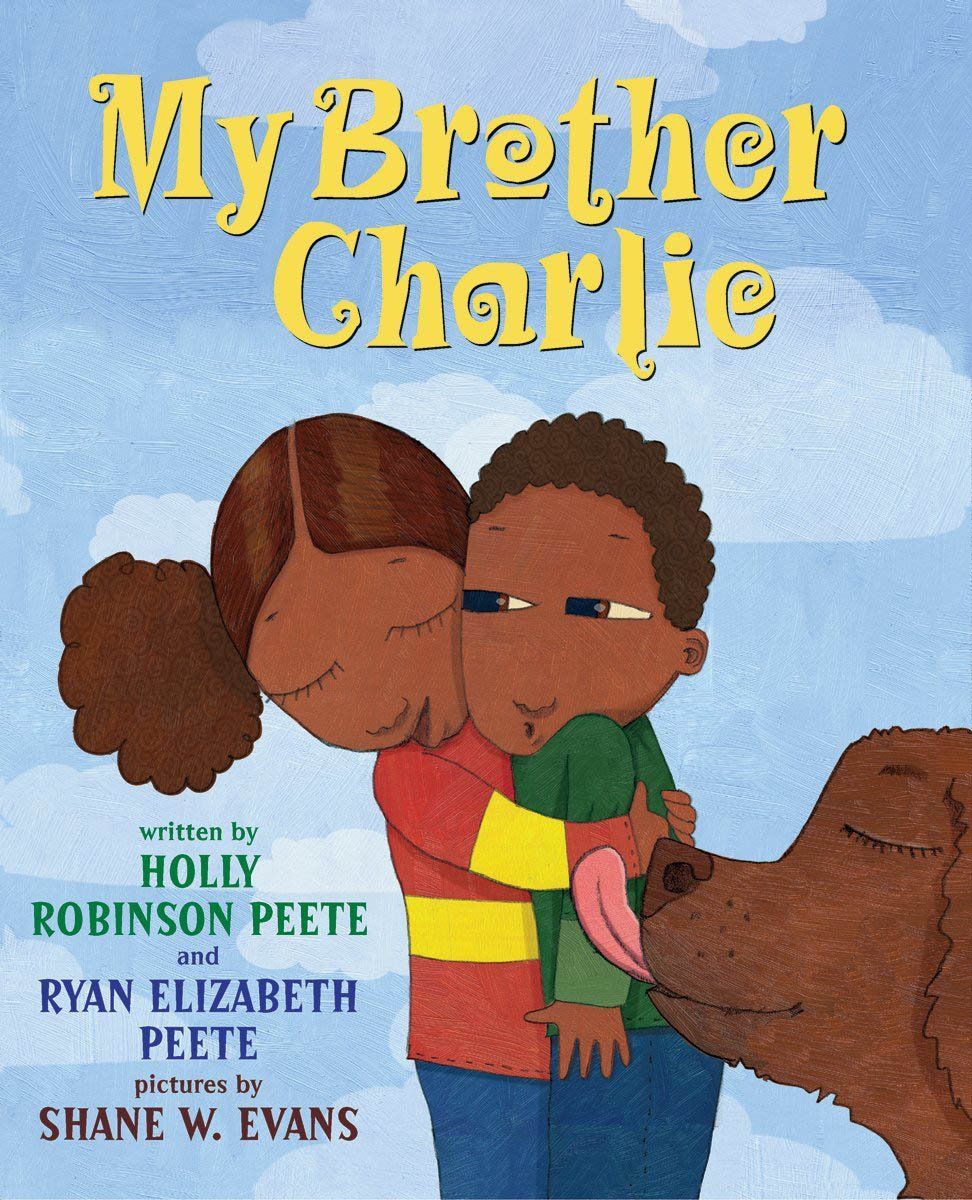

My Brother Charlie

By Holly Robinson Pete and Ryan Elizabeth Pete, Illustrated by Shane W. Evans


This sweet, simple, and profound picture book is a must-have. The narrator tells her story and experience of her twin brother having autism. This true story is both instructive and heartwarming and includes a lovely explanation at the end about how to be supportive of those with autism.
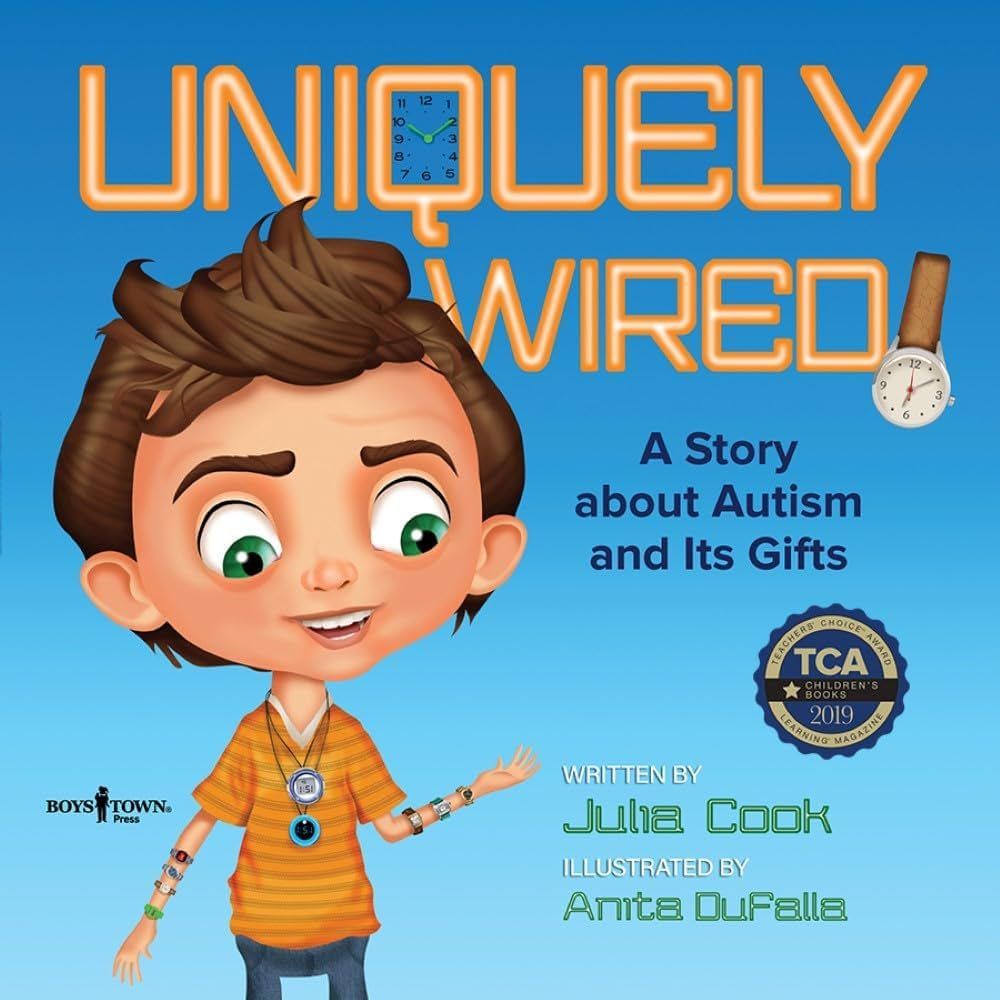

Uniquely Wired: A Story about Autism and Its Gifts

By Julia Cook, Illustrated by Anita DuFalla


Although slightly visually busy, this picture book really conveys the experience of living with autism. A young boy shares his unique perspective on the world and gives easily digestible explanations for behaviors that can seem off-putting at times.
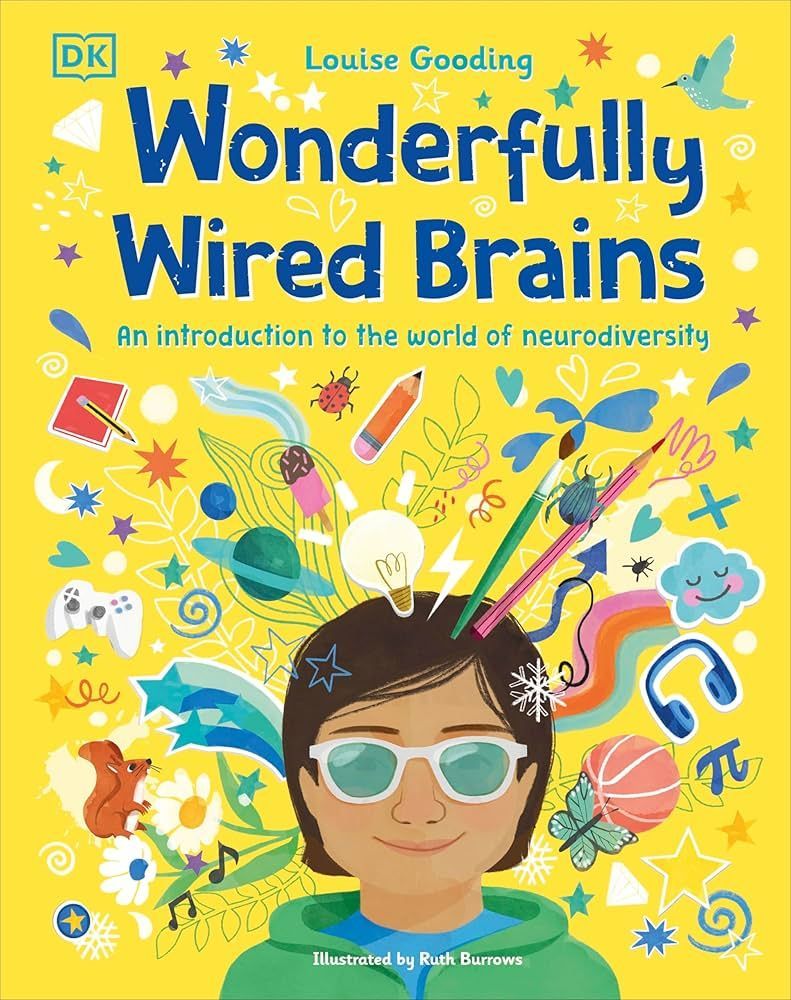

Wonderfully Wired Brains: An Introduction to the World of Neurodiversity

By Louise Gooding, Illustrated by Ruth Burrows


This is a super cool resource for children during their elementary years, as it answers all the questions about how our brains work and how brains can work in different ways! It’s easy to flip through and find fascinating facts or to use the table of contents to hone in on a particular form of neurodiversity. The book is rich in content but also very easily digestible, with small chunks of text and colorful graphics and illustrations.


We hope you enjoy these books as much as we have! Here [link "31 March 2025 Blog – Our Montessori Bookshelf Printable_ Autism Awareness.pdf”] is a printable copy of the list of books. We also would love to have you come to the school for a tour. Contact us to set up a visit!
October 26, 2026
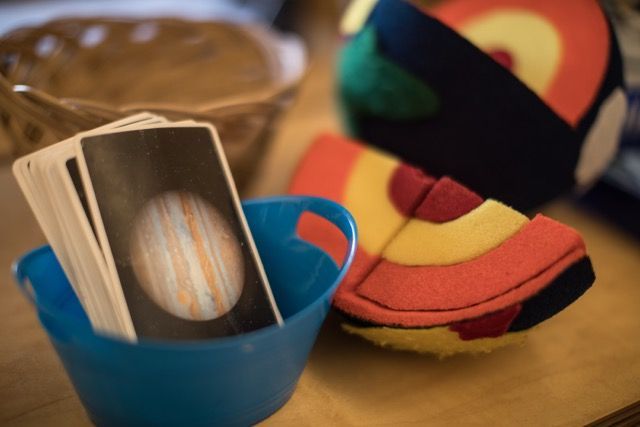
When Dr. Maria Montessori began developing her curriculum for elementary-aged children, she recognized that their educational needs undergo a profound transformation. Academic skills become more complex, but more importantly, the way content is delivered must fundamentally shift. In the elementary years (ages 6–12), children transition away from the sensory, hands-on physical boundaries of early childhood and move toward an expanding intellectual horizon. Around age six, a child’s scope of vision expands exponentially beyond themselves. Social connections become paramount, a vivid imagination awakens, and a deep curiosity takes hold regarding the universe, society, and their own place within the big picture. To meet this developmental leap, Dr. Montessori created Cosmic Education—a holistic framework that presents the story of the universe and humanity’s interconnected role within it. The Five Great Lessons: Springboards for Imagination At the heart of Cosmic Education are the Five Great Lessons. These are not intended to be exhaustive academic lectures; rather, they are dramatic, impressionistic stories designed to ignite the child's imagination and serve as a springboard for all future research and learning. Because children spend three years in each elementary community (Lower Elementary: ages 6–9; Upper Elementary: ages 9–12), they experience these lessons three distinct times. Each year, as their cognitive capacity grows, the lessons reveal deeper layers of meaning, sparking fresh, student-led exploration in chemistry, history, mathematics, language, and the sciences. Great Lesson 1: The Creation of the Universe Typically presented at the start of the school year, this lesson offers a captivating sense of wonder. Guides intentionally prepare the atmosphere: drawing the blinds, dimming the lights, and gathering children around a series of impressionistic materials and science experiments. The story begins in the vast, cold darkness before the universe existed, building up to the instantaneous moment of creation. Through striking demonstrations, children observe: How particles moved together and apart The speed of light and the immense scale of stars States of matter (solids, liquids, gases) The formation of the solar system, the cooling of the Earth, and volcanic activity Follow-Up Studies: This lesson serves as the gateway to physics, chemistry, astronomy, geology, physical geography, and the scientific method. Great Lesson 2: The Coming of Life As the school year progresses, attention shifts to how life emerged on Earth. To help elementary students grasp deep time, guides utilize impressionistic visual materials: The Long Black Strip: A long runner of black fabric representing Earth's vast lifespan, ending with a tiny sliver of white to represent all of human history. This material provides a humbling visual perspective on our planet's timeline. The Clock of Eras & The Timeline of Life: Colorfully illustrated charts detailing life’s evolution from single-celled organisms through early plants, invertebrates, vertebrates, and dinosaurs. Follow-Up Studies: Children dive into biology, Botany, Zoology, the five kingdoms of life, vertebrate classification, and paleontology through fossil studies. Great Lesson 3: The Coming of Humans This lesson introduces early human ancestors and the arrival of human consciousness. Children reflect on what makes human beings unique—our ability to think, reason, feel deeply, and collaborate to invent tools that solve complex problems. Guides introduce the Fundamental Needs of Humans, demonstrating how all people throughout history and across cultures share the exact same core requirements for survival and fulfillment (shelter, nourishment, clothing, defense, spiritual expression, and art). Follow-Up Studies: Ancient history, cultural anthropology, world geography, social studies, and human migration patterns. Great Lesson 4: The History of Mathematics Elementary students are fascinated to discover that mathematics was not created out of thin air, but was invented by ancient civilizations to solve real-world problems, like measuring land, trading goods, and tracking time. By learning about the contributions of the Babylonians, Egyptians, Greeks, Mayans, and early Indian mathematicians who developed the concept of zero, children realize that numbers are a shared human heritage. Follow-Up Studies: When children work through subtraction, long division, or geometry, they ground their practice in historical context, making abstract math deeply meaningful and engaging. Great Lesson 5: The History of Language Similar to the history of math, this lesson illuminates how written language evolved. From early cave paintings and Egyptian hieroglyphics to the Phoenician alphabet and the printing press, students learn how humans captured spoken thoughts to communicate across distance and time. Follow-Up Studies: Because elementary students are actively refining their reading, grammar, creative writing, and research skills, understanding the origin of words (etymology) inspires pride and curiosity in their literacy work. Experiencing Cosmic Education at MSL Cosmic Education gives children a sense of purpose and belonging. Instead of delivering isolated facts, Montessori presents the whole universe first, allowing students to see how every detailed subject connects back to the grand story of life. Would you like to observe our Lower and Upper Elementary classrooms in action and see Cosmic Education at work? Schedule a tour today!
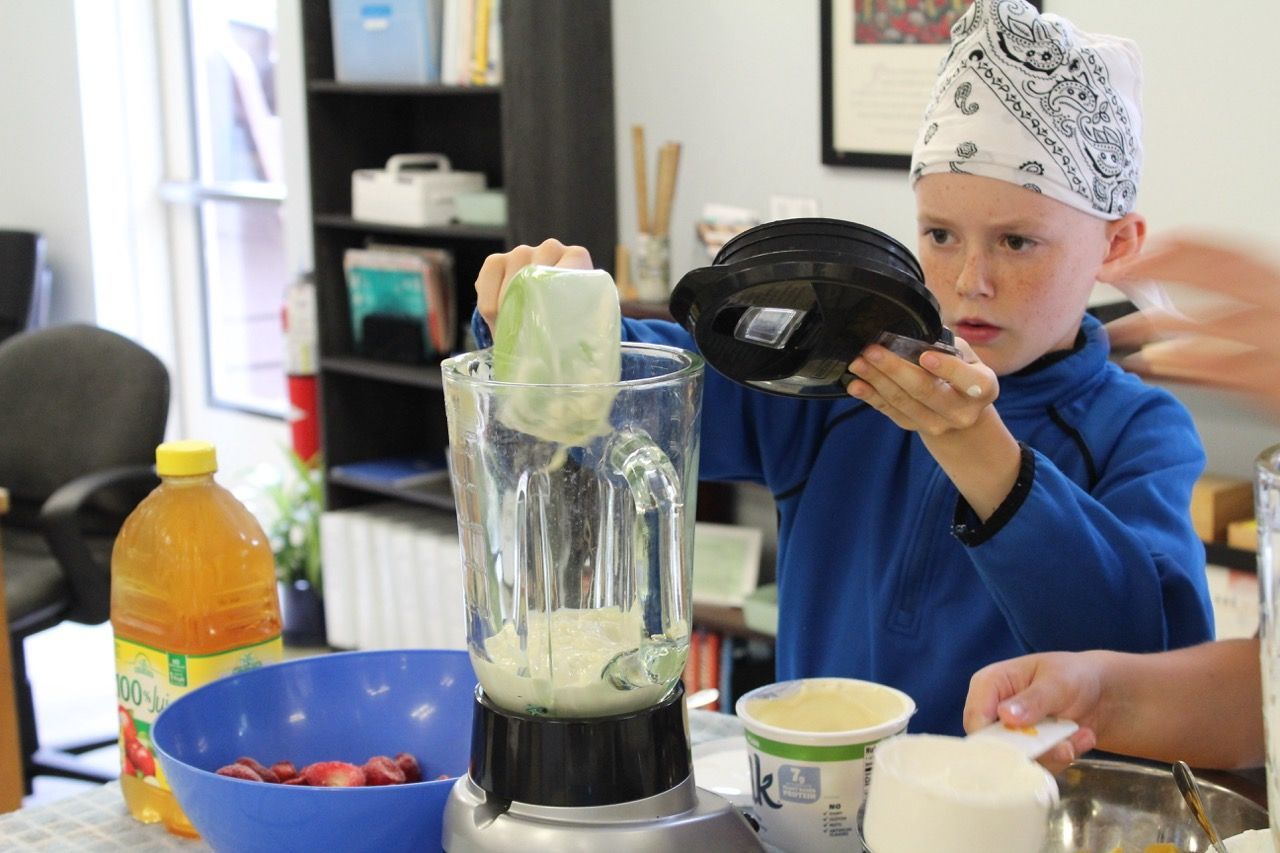
Child in a bandana pours ingredients into a blender on a kitchen counter with bowls and drinks nearby
October 19, 2026
Discover how MSL’s Practical Life curriculum nurtures independence, motor refinement, and real-world executive functioning from Toddlers through Middle School.
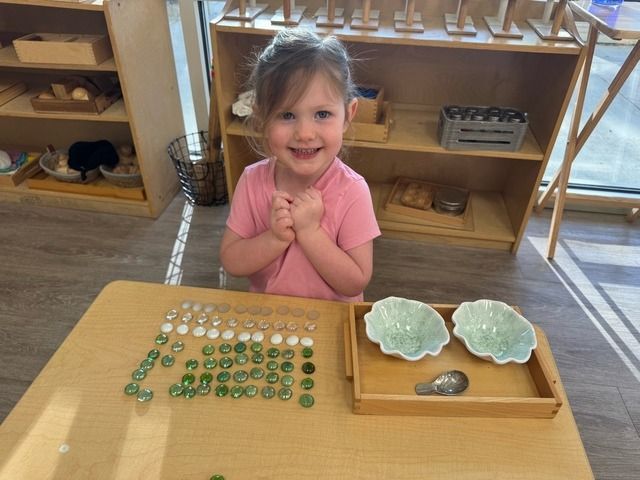
Smiling child at a table with the cards and counters material in a classroom setting
October 12, 2026
Discover how MSL balances freedom of choice with age-appropriate limits to cultivate self-discipline, personal dignity, and a love for learning from Toddler to Middle School.
More Posts